
10 Best Arkansas Hot Springs National Park: Historic Bathhouses & Thermal Spas Neighborhoods
What if you could step back in time and bathe your senses in waters that have been cherished for centuries? Nestled in the heart of Arkansas, Hot Springs National Park entices visitors not only with its steamy thermal springs but also with a rich tapestry of history woven through its venerable bathhouses. But beyond the soothing warmth lies an intriguing challenge: can you truly grasp the cultural and medicinal significance of these historic spas while navigating a modern landscape? Let’s immerse ourselves in the story of Arkansas Hot Springs National Park, exploring its enchanting bathhouses and the rejuvenating thermal waters that have drawn people for generations.
The Origins of Arkansas Hot Springs: A Natural Marvel
Long before it became a national park, the thermal waters of Hot Springs were revered by Native American tribes, who believed in the miraculous healing powers of the springs. These springs emerge from deep within the earth, heated geothermally to temperatures averaging 143 degrees Fahrenheit. This natural phenomenon is rare and breathtakingly unique, as the waters surface clear and mineral-rich, offering therapeutic properties that seemed almost magical to early visitors.
The springs’ geological formation is a tale of subterranean journeys, where rainwater seeps through layers of limestone and shale, absorbing minerals and heat before rising to the surface. This delicate balance of nature’s alchemy results in a constant flow of about 700,000 gallons of spring water daily, each drop a testament to the earth’s hidden vitality.
Historic Bathhouses: Architectural Gems and Cultural Landmarks
As word of the springs’ curative powers spread during the 19th century, Hot Springs transformed from a secluded sanctuary to a bustling destination. The bathhouses—emblems of an era when social wellness mingled with leisure—became central to this transformation. Each edifice is more than a mere building; it is an architectural narrative, echoing styles from Spanish Colonial Revival to Art Deco.
The Fordyce Bathhouse stands as the crown jewel among these relics, its ornate façade and opulent interiors inviting visitors to experience an era of grandeur. This bathhouse, now a museum, offers a window into a time when bathing was both a health regimen and a social event. Meanwhile, other bathhouses such as Buckstaff and Quapaw continue to operate, allowing guests to partake in age-old therapeutic rituals.
But restoring and preserving these structures present an inherent complexity. Balancing historical integrity with contemporary safety codes is a subtle dance, requiring expertise and dedication to maintain their authenticity without sacrificing modern functionality.
Thermal Spas: The Intersection of Wellness and Tradition
The essence of Hot Springs National Park lies in its thermal spas—places where mineral-rich waters meld with therapeutic tradition. The springs’ steady temperature and naturally filtered qualities provide unique benefits, believed to alleviate ailments ranging from arthritis to skin disorders. But these spa waters are more than science; they are cultural legacies, woven into the fabric of the community and its visitors’ well-being.
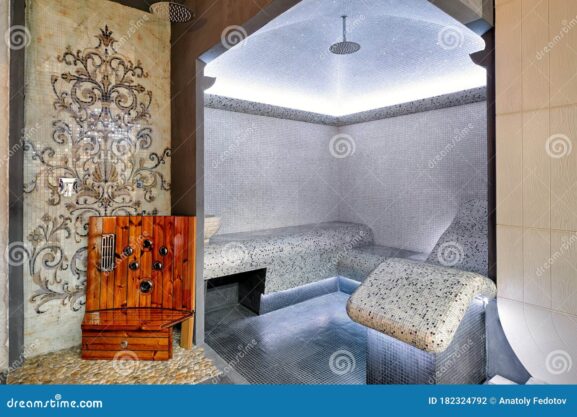
Modern spa treatments at the park often blend traditional soaking with contemporary techniques, forging a link between past and present. Visitors might indulge in hydrotherapy baths, massages, and even sauna experiences, all sourced from the same springs that pioneers once sought. The experience is simultaneously restorative and reflective, inviting patrons to slow down and reconnect with nature and history alike.
The Challenge of Balancing Tourism and Preservation
In a world increasingly driven by tourism and commercialization, Arkansas Hot Springs National Park faces a nuanced challenge: preserving the delicate balance between visitor enjoyment and conservation. The influx of tourists eager to experience the famed thermal spas can place pressure on natural resources and historic structures.
Park management employs meticulous stewardship strategies, incorporating sustainable practices to protect the springs’ ecology and the bathhouses’ architectural heritage. Educational programs encourage responsible visitation, fostering an appreciation that extends beyond mere leisure. This equilibrium ensures that future generations can savor the same revitalizing waters.
Exploring Beyond the Bathhouses: Trails and Natural Beauty
While the historic bathhouses captivate many, the park’s verdant landscapes offer additional avenues for exploration. Miles of hiking trails weave through pine and oak forests, with scenic vistas overlooking the Ouachita Mountains. Each path provides a quieter, complementary experience to the bustling bathhouse district, offering solitude and a deeper communion with nature.
For those who venture beyond the steamy pools, the juxtaposition of rugged terrain and soothing waters creates an immersive sensory adventure. From gentle walks along Hot Springs Creek to more rigorous climbs, the terrain challenges the body even as the springs soothe it, illustrating the park’s multifaceted allure.
The Enduring Allure of Arkansas Hot Springs National Park
The question remains: can you truly challenge your perceptions of wellness and history within a single visit? Arkansas Hot Springs National Park invites visitors to not just observe but to participate in a living tradition, where each bathhouse and basin tells a story of human resilience and reverence for nature’s gifts.
Whether drawn by the allure of historic architecture, the promise of thermal healing, or the embrace of natural beauty, the park offers a singular synthesis of experience. It challenges visitors to slow down, reflect, and surrender to waters that whisper ancient secrets. In doing so, it remains a timeless refuge where history and health flow seamlessly together.