10 Best What Is a Sleep Therapy Spa? Science-Backed Treatments for Insomnia Neighborhoods
Imagine your mind as a tempestuous sea, waves crashing incessantly against the fragile shore of sleep. For many suffering from insomnia, the quiet harbor of restful slumber seems an elusive mirage. Enter the realm of the sleep therapy spa—a sanctum designed not simply to entice sleep but to recalibrate the intricate symphony of the body and mind. These sanctuaries offer a science-backed oasis where therapeutic interventions fuse with holistic rejuvenation, delivering an experience both rare and restorative. This article delves into what exactly a sleep therapy spa entails and unveils the cutting-edge treatments that promise to tame the storm of sleeplessness.
The Concept of a Sleep Therapy Spa: A Sanctuary Beyond Rest
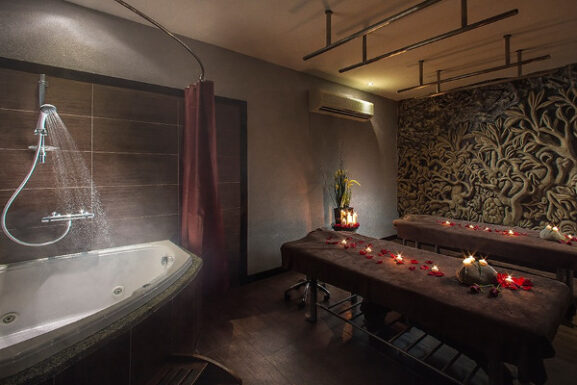
More than just a place to unwind, a sleep therapy spa integrates clinical expertise with spa-like tranquility, creating a distinctive environment tailored to combat insomnia and other sleep disorders. Picture a fortress where modern sleep science meets ancient wellness traditions. These spas are meticulously designed to mold your circadian rhythm, calm hyperactive nervous systems, and promote physiological equilibrium. The ambiance—carefully modulated lighting, serene soundscapes, and air quality orchestrated to emulate natural environments—lay the foundation for a profound restorative experience.
Unlike traditional spas that primarily focus on luxury and relaxation, sleep therapy spas adopt an individualized, evidence-informed approach to diagnosing sleep disruptions. Prior to treatments, comprehensive sleep assessments—often involving polysomnography or actigraphy—are conducted to map the nuances of each guest’s sleep pattern. This precision ensures therapies are personalized, addressing not only surface symptoms but the root physiological and psychological derangements obstructing deep sleep.
Science-Backed Treatments Anchoring Sleep Therapy Spas
The arsenal of therapies employed within these havens is as diverse as it is innovative. Grounded in robust scientific research, these treatments synergize to combat insomnia’s multifaceted origins.
Cognitive Behavioral Therapy for Insomnia (CBT-I)
Often hailed as the gold standard in insomnia treatment, CBT-I is a cornerstone in sleep therapy spas. This structured, goal-oriented therapy targets the dysfunctional thoughts and behaviors perpetuating sleeplessness. Trained therapists guide guests through techniques like stimulus control, sleep restriction, and cognitive restructuring. These interventions recalibrate the brain’s associations with sleep, reducing anxiety and breaking the vicious cycle of insomnia.
Chronotherapy and Light Exposure
Our circadian rhythms are orchestrated by exposure to natural light, the conductor synchronizing our internal clocks. Sleep therapy spas harness this principle through carefully timed light therapy sessions employing full-spectrum or blue light devices to adjust and normalize circadian phases. Conversely, light deprivation strategies are used in the evening to stimulate melatonin secretion, the hormone critical for sleep onset. This biotechnical manipulation aligns the sleep-wake cycle with the natural day-night continuum.
Neurofeedback and Biofeedback Techniques
These cutting-edge treatments tap into the brain’s plasticity. Neurofeedback trains individuals to alter brainwave patterns associated with wakefulness and sleep, promoting relaxation and entering deeper sleep stages. Complementary biofeedback methods monitor and regulate bodily functions such as heart rate variability and muscle tension, empowering guests to attain autonomic balance—an essential prerequisite for restorative sleep.
Sleep-Enhancing Environmental Modifications
Beyond active treatments, the sleep environment within the spa is meticulously engineered. Soundproofing, white noise generators, and tailored aromatherapy using sleep-inducing botanical extracts like lavender or valerian coalesce into an immersive sensory cocoon. Temperature regulation is optimized to promote thermoneutrality, recognizing that a slight drop in core body temperature facilitates sleep initiation and maintenance.
Therapeutic Modalities Rooted in Ancient Wisdom and Modern Science
Integrating mind-body therapies amplifies the efficacy of sleep interventions. Techniques such as mindfulness meditation, progressive muscle relaxation, and yoga nidra are woven into the spa’s tapestry, providing holistic avenues to calm restless minds. These practices lower cortisol levels and enhance parasympathetic nervous system activity—cornerstones of the body’s natural sleep architecture.
Additionally, specialized massage therapies targeting cranial and cervical musculature alleviate tension that often disrupts sleep quality. These physical modalities improve circulation and stimulate the vagus nerve, further promoting parasympathetic dominance.
Nutrition and Supplementation: Fueling the Sleep Mechanism
Nutritionists at sleep therapy spas curate dietary regimens that influence sleep-regulatory neurotransmitters such as serotonin and gamma-aminobutyric acid (GABA). Evening meals rich in tryptophan, magnesium, and complex carbohydrates are emphasized, supporting endogenous melatonin production. Some spas offer tailored supplementation protocols that include scientifically vetted compounds such as melatonin, valerian root, or magnesium glycinate, administered judiciously and under professional supervision to avoid dependency or side effects.
Technological Innovations: Integrating Wearables and Sleep Tracking
In a bid to continually refine treatment efficacy, sleep therapy spas leverage state-of-the-art technology. Wearable devices monitor sleep architecture in real-time, feeding data into algorithms that adapt therapy plans dynamically. This continuous feedback loop enhances personalization and empowers guests with tangible insights into their sleep improvements. Such data-driven approaches embody a precision medicine ethos rarely found in conventional spa services.
The Unique Appeal: Why Sleep Therapy Spas Stand Apart
What sets sleep therapy spas apart is their holistic, integrative framework. They do not merely offer transient relaxation but forge enduring behavioral and physiological transformation. This is not a fleeting indulgence; it is a pilgrimage into the depths of rest itself. The confluence of scientific rigor, therapeutic diversity, and sensory harmony creates a distinctive allure that resonates deeply with those battling chronic sleep disturbances.
Guests emerge not only rejuvenated but re-educated—armed with tools, knowledge, and sustainable habits to sustain restorative sleep beyond the spa’s sanctuary. Sleep therapy spas are thus beacons of hope, illuminating a path through the darkness of insomnia toward a dawn of peaceful, regenerative slumber.
Conclusion: Awakening to the Potential of Sleep Therapy Spas
The quest to conquer insomnia demands more than isolated interventions; it calls for an immersive, multidimensional approach. Sleep therapy spas represent this paradigm shift, blending empiricism with empathy, technology with tranquility. They encapsulate an exquisite paradox—a place where science and serenity coexist to restore one of the most fundamental human needs. For anyone adrift in the tumultuous seas of sleepless nights, sleep therapy spas offer a harbor of healing, beckoning the weary to rest, renew, and awaken renewed.