
10 Best Magnesium Bath for Restless Legs: Relief at a Sleep Spa Neighborhoods
Restless legs syndrome (RLS) is a perplexing condition that disturbs the tranquility of night for countless individuals. The involuntary, often uncontrollable urge to move the legs can disrupt sleep, impair daily functioning, and frustrate attempts at relaxation. In the quest for relief, magnesium baths have surfaced as an intriguing therapeutic approach, promising not only physical alleviation but also a meditative reprieve found within specialized sleep spas. This practice underscores a broader human fascination: the search for natural remedies that harmonize body and mind in an era marked by stress and sleep deprivation.
Understanding Restless Legs Syndrome: A Complex Neurological Puzzle
Restless legs syndrome is typified by uncomfortable sensations—tingling, crawling, itching, or aching—that compel sufferers to move their legs, particularly during periods of inactivity and at night. While RLS has neurological underpinnings, its exact etiology remains elusive. Some hypothesize dysregulation of dopamine pathways or iron deficiency plays a crucial role, but the condition often intertwines with peripheral factors such as circulation and muscle fatigue. This multifaceted etiology complicates treatment, prompting sufferers to explore complementary approaches like magnesium supplementation that aim to restore neuromuscular equilibrium.
The Biochemical Role of Magnesium in Neuromuscular Health
Magnesium is a pivotal mineral, deeply embedded in over 300 enzymatic processes essential for human physiology. Its involvement in muscle relaxation and nerve function is particularly relevant to RLS sufferers. Magnesium regulates the influx of calcium and potassium ions across nerve and muscle membranes, fostering proper electrical conduction and preventing excessive neuronal excitability. Deficiency can instigate muscle cramps, spasms, and heightened sensory sensitivity—symptoms that overlap with those experienced in restless legs syndrome.
Magnesium Bath: Mechanisms of Transdermal Absorption and Therapeutic Impact
When magnesium is dissolved in warm water, the body can absorb it transdermally through the skin, albeit in debated quantities. The warmth of the bath itself augments circulation and encourages muscle relaxation, while magnesium purportedly penetrates the dermal layers to replenish mineral levels in tissues. This dual action can mitigate neuromuscular hyperactivity, ease sensory discomfort, and promote an overall sense of calm. Though scientific consensus varies regarding absorption efficacy, many advocates emphasize the holistic benefits that extend beyond mere mineral replacement.
Sleep Spas: The Curious Confluence of Tradition and Modern Wellness
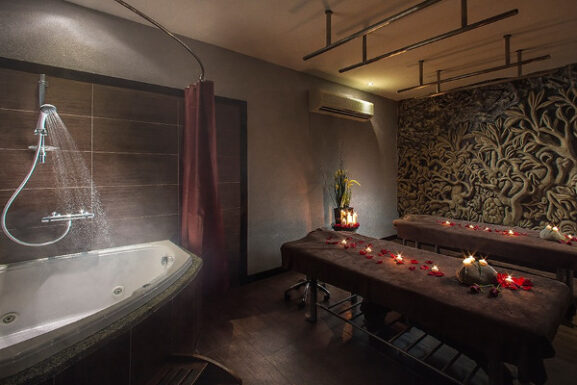
Sleep spas have emerged as sanctuaries where the ancient rituals of water therapy entwine with contemporary sleep science. They elevate the experience of a magnesium bath from simple home remedy to a meticulous, immersive practice. These spas curate the environment with controlled temperature, ambient lighting, and meditative soundscapes, amplifying relaxation and fostering mindful detachment from stressors. This thoughtful orchestration taps into the body’s parasympathetic nervous system, which governs rest and reparative processes—critical elements in combating the sleep disturbances linked to restless legs.
Psychological Dimensions: The Placebo and Mind-Body Symbiosis
The human mind’s relationship with therapeutic rituals cannot be underestimated. The anticipation and deliberate pace of a magnesium bath session invoke a meditative state, modulating anxiety and heightening somatic awareness. The sanctuary of a sleep spa provides not just physical regimen but also psychological solace—a reprieve from the cognitive hyperarousal that perpetuates restless leg symptoms. This mind-body symbiosis might explain why many individuals attest to significant symptomatic relief, touching on the enigmatic power of holistic interventions.
Complementing Conventional Treatments: Integrating Magnesium Baths into RLS Management
Conventional pharmacological approaches to restless legs syndrome often involve dopaminergic agents, anticonvulsants, or opioids, which may bring side effects or diminish efficacy over time. Introducing magnesium baths can serve as a non-invasive adjunct, complementing medical therapies and potentially reducing dependency on medications. Incorporating these baths into a nightly ritual aids in establishing consistent sleep hygiene, a cornerstone in managing RLS symptoms. Moreover, magnesium’s low-risk profile makes it an attractive option for those seeking natural or adjunctive relief without systemic adverse effects.
Scientific Evidence and Ongoing Research: A Promising Horizon
Though empirical data remain limited and sometimes inconclusive, emerging studies suggest that magnesium supplementation, both oral and transdermal, may reduce the severity of restless legs symptoms and improve sleep quality. Research underscores the need for well-controlled clinical trials to elucidate optimal dosing, bath duration, and long-term benefits. Meanwhile, anecdotal evidence and clinical experiences champion magnesium baths as a viable therapeutic ritual—an intriguing proposition that bridges traditional wisdom with modern health paradigms.
Practical Guidance: Crafting an Effective Magnesium Bath for Restless Legs
Creating an efficacious magnesium bath requires attention to detail. Use of Epsom salt (magnesium sulfate) or magnesium chloride in concentrations ranging from 1 to 2 cups per standard bathtub volume offers a starting point. Ideal water temperature should be warm enough to induce relaxation—approximately 92 to 100°F—but not scalding to avoid overstimulation. Immersion time of 20 to 30 minutes allows for maximum potential absorption while simultaneously soothing muscles and nerves. Consistency is paramount; integrating the bath into a nightly pre-sleep ritual enhances cumulative benefits.
Beyond Relief: The Cultural and Symbolic Resonance of Magnesium Baths
Magnesium baths resonate at a deeper cultural level, tapping into humanity’s age-old reverence for water as a symbol of purification, renewal, and healing. Their resurgence within sleep spas reflects a growing desire to reclaim balance amidst a culture marked by technological intrusion and relentless pace. The allure lies not only in symptomatic relief but in an experiential reconnection with one’s body and rhythms—a nuanced fascination with self-care that extends beyond remedy to ritual, embodying a holistic approach to wellness.
In the interplay between restless legs syndrome and sleep spas offering magnesium baths, we glimpse a confluence of science, tradition, and psychology. This confluence invites sufferers to explore relief that honors both their physiology and their humanity, nestled in the warm embrace of water that beckons to soothe, calm, and restore.