10 Best Marma Point Therapy: The Ancient Indian Energy Work Hiding in Your Local Spa Neighborhoods
Beneath the polished veneer of modern spa treatments lies a secret older than yoga, older than Ayurveda itself—a system of energy manipulation so precise it can unlock the body’s innate healing power with nothing more than a skilled touch. Marma point therapy, the forgotten sibling of acupuncture, is the art of awakening dormant energy nodes hidden beneath the skin, where flesh, breath, and consciousness converge. While your local spa may market “holistic facials” or “deep tissue bliss,” the true revolution in relaxation isn’t in the essential oils or heated stones—it’s in the silent pressure of a practitioner’s fingertips on points you didn’t know existed. This is not massage. This is energy archaeology. This is Marma.
The Hidden Cartography of the Body: Where Energy Becomes Anatomy
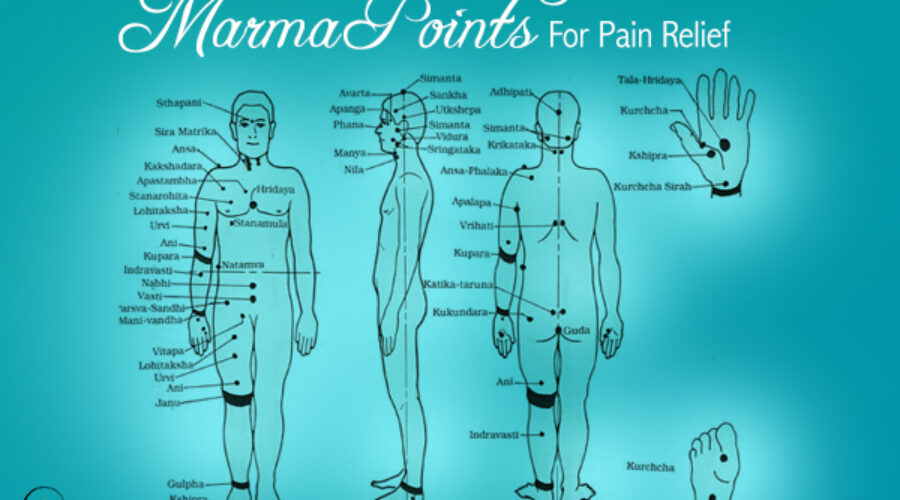
Imagine the human body as a living atlas, its surface mapped not with roads or rivers, but with 107 Marma points—vulnerable intersections where prana (life force), blood, and lymph converge like converging rivers beneath a waterfall. These are not random spots. Each Marma is a junction of three vital tissues: muscle, vein, and nerve, forming a triad of potential energy release. When blocked, these points manifest as stiffness, fatigue, or emotional stagnation. When activated, they dissolve pain before it forms, regulate digestion before it rebels, and even temper anxiety before it metastasizes into insomnia.
Unlike chakras, which are energetic wheels suspended in the subtle body, Marmas are physical portals—small, often tender depressions or protrusions along tendons, joints, and muscle insertions. The scalp alone harbors 37 such points, explaining why a simple head massage can feel like a cranial reboot. Press the right spot behind the ear, and suddenly a tension headache evaporates. Stimulate the webbing between thumb and index finger, and digestive fire ignites. This is not placebo. This is physics—pressure on a nerve cluster triggers a cascade of biochemical responses, releasing endorphins, reducing cortisol, and restoring homeostasis.

From Warriors to Wellness: The Martial Roots of Gentle Touch
Marma therapy did not evolve in dimly lit wellness studios—it was forged in battle. Ancient Indian warriors, the Kshatriyas, trained not only in swordplay but in Marma vidya, the science of striking or stimulating these points to incapacitate or heal. A well-placed strike to the temple could render an opponent unconscious; a gentle touch to the same point could revive a comatose soldier. This duality—destruction and restoration—lies at the heart of Marma’s modern application. Today’s spa practitioners are not warriors, but they wield the same knowledge, transforming combat techniques into therapeutic touch.
What changed? Consciousness. The same points that once served as pressure points in martial arts now serve as pressure points in meditation. When a therapist’s fingers linger on the Marma between the eyebrows—known as the Ajna Marma—it’s not just a massage. It’s a reset for the mind’s eye. The third eye doesn’t just see visions; it regulates circadian rhythms, balances pituitary function, and quiets the mental chatter that keeps us awake at 3 a.m. This is why Marma therapy is often called “acupressure on steroids”—it delivers the depth of acupuncture without the needles, the intuition of Reiki without the esoteric jargon.
Types of Marma Therapy: Not All Touch Is Created Equal
Marma therapy isn’t a monolith. It’s a spectrum of techniques, each tailored to a different imbalance, a different rhythm of the body. The most accessible form is Marma Point Massage, a rhythmic, circular pressure applied with thumbs, knuckles, or even elbows. It’s slow, almost meditative—think of it as tuning a guitar string, not plucking it. The therapist doesn’t rush. They listen. A point that resists pressure may indicate a blockage; one that yields too easily may signal deficiency. The goal isn’t to force release but to coax it gently, like coaxing a shy animal from its burrow.
Then there’s Marma Facial Rejuvenation, a rising star in holistic beauty circles. Unlike Botox, which paralyzes muscles into a frozen mask, Marma facials stimulate collagen production by activating points along the jawline, cheeks, and forehead. The result? A natural glow, reduced puffiness, and a subtle lift—not from fillers, but from the body’s own repair mechanisms. Celebrities and models are quietly adopting this, though they’d never admit it publicly. After all, who wants to explain that their flawless complexion comes from ancient Indian energy work rather than a $10,000 skincare routine?
For the chronically fatigued or emotionally drained, Marma Energy Balancing offers a deeper dive. Practitioners use not just fingers but also tuning forks, crystals, or even breath to amplify the effect. The therapist might place a quartz crystal over the heart Marma while humming a specific bija mantra, creating a resonance that clears emotional debris. This is where Marma transcends technique and becomes alchemy—turning stagnant energy into vitality, fear into courage, exhaustion into endurance.

What to Expect in a Marma Session: No Crystal Balls, Just Crystal Clarity
Walking into a Marma session is like entering a temple where silence speaks louder than words. You’ll lie on a treatment table draped in organic cotton, shoes removed, breath steady. The therapist begins with a brief consultation—not about your medical history, but about your energy. “Where do you feel stuck?” they might ask. “In my shoulders? My gut? My mind?” They’re not diagnosing; they’re mapping. Then, with oil warmed to body temperature (often sesame or coconut), they begin. The first touch is exploratory, like a blind person reading Braille. They’re sensing the texture of your fascia, the tension in your tendons, the rhythm of your breath.
You won’t feel a deep tissue burn. Marma is subtle. The pressure is firm but not aggressive—like pressing a bruise that’s just beginning to fade. You might feel warmth, tingling, or a sudden release of tension so profound it feels like a sigh you’ve been holding for decades. Some points elicit emotional releases—tears, laughter, or a sudden wave of nostalgia. This is normal. These points are portals to the subconscious, and the body doesn’t distinguish between physical and emotional pain. It releases both simultaneously.
After the session, you may feel light, grounded, or even slightly disoriented—like waking from a dream you can’t quite remember. Hydration is key. Drink warm water infused with ginger or cumin to help the body metabolize the released toxins. Avoid caffeine, alcohol, and intense exercise for 24 hours. Your nervous system has just undergone a software update. Give it time to reboot.
The Science Behind the Magic: Why Marma Works (Even If You Don’t Believe in Energy)
Skeptics dismiss Marma as “woo-woo” energy work, but the science is catching up. Studies on acupressure—Marma’s distant cousin—show that stimulating specific points increases blood flow, reduces inflammation, and modulates the autonomic nervous system. When a therapist presses the Marma point on the sole of the foot (Kurcha Marma), it triggers a reflex arc that calms the sympathetic nervous system, lowering heart rate and blood pressure. This is not mysticism. This is neurophysiology.
At the cellular level, Marma therapy enhances mitochondrial function. The pressure stimulates mechanoreceptors, which send signals to the brain to release nitric oxide—a vasodilator that improves circulation and oxygen delivery to tissues. This is why Marma can alleviate chronic pain conditions like fibromyalgia or sciatica without pharmaceuticals. It’s also why it’s gaining traction in post-surgical recovery, where patients report faster healing and reduced scar tissue formation.
Even the placebo effect has its limits. If Marma were mere suggestion, it wouldn’t work on animals. Yet veterinarians in India have used Marma techniques to calm anxious pets, reduce joint pain in aging dogs, and even speed recovery in injured racehorses. If energy work can heal a thoroughbred, it can certainly heal a human—regardless of belief.
Integrating Marma Into Your Life: Beyond the Spa Visit
Marma therapy isn’t a one-off indulgence. It’s a lifestyle upgrade. You can begin at home with self-Marma techniques—gentle pressure on the webbing between fingers to boost immunity, or circular motions on the wrists to calm the mind before sleep. The key is consistency. Unlike a massage that offers temporary relief, Marma builds resilience. It teaches the body to self-regulate.
Pair it with breathwork. Try inhaling for 4 counts, holding for 4, exhaling for 6—while pressing the Marma point at the base of the skull (Nila Marma). This synchronizes breath with pressure, amplifying the effect. Or integrate it into your morning routine: before coffee, before emails, press the Marma between the eyebrows for 30 seconds. It’s not meditation. It’s a mental defrag.
For the truly committed, consider learning Marma mapping. Many Ayurvedic schools now offer short courses where you learn to identify and stimulate your own points. It’s empowerment in its purest form—no practitioner required. Just you, your fingers, and the wisdom of 5,000 years.

The next time you book a “deep tissue massage” or a “holistic facial,” ask a simple question: Is this just relaxation, or is it awakening? If the therapist’s hands linger on a spot that feels tender, if the session leaves you feeling lighter in body and mind, if your sleep improves for days afterward—then you’ve experienced Marma. You’ve touched the ancient pulse of your own vitality. And the best part? It was hiding in plain sight all along.