
From Aceh to Bali: A Journey Through Indonesia’s Spa Heritage
Indonesia, with its archipelagic diversity and rich cultural tapestry, presents a spa heritage that transcends mere relaxation. It embodies centuries of tradition, indigenous knowledge, and healing practices intertwined with spiritual significance. From the lush, unspoiled landscapes of Aceh in the north to the serene, sun-kissed shores of Bali in the south, the journey through Indonesia’s spa heritage reveals a transformative narrative that beckons enthusiasts of wellness from around the globe.
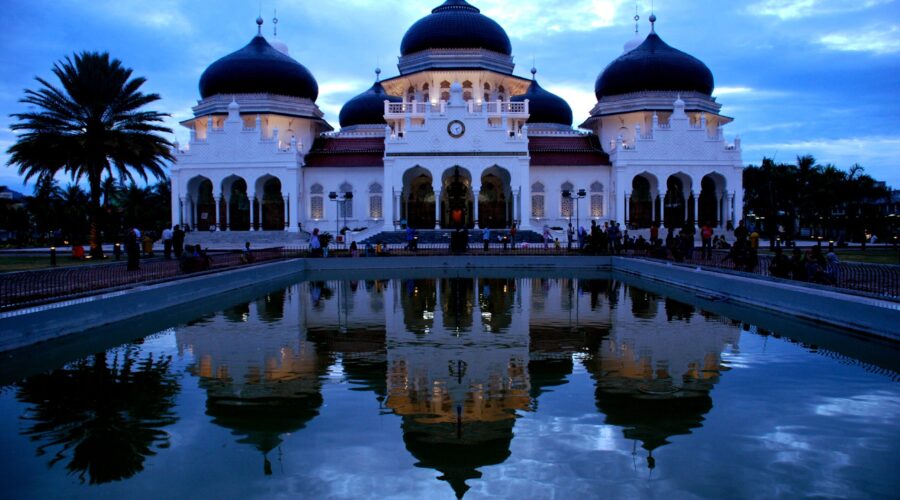
The allure begins in Aceh, a province steeped in history and natural beauty. Renowned for its breathtaking beauty—the confluence of emerald forests and azure seas—Aceh also offers unique therapeutic practices rooted in its culture. Traditional Acehnese massage, known as “pijat Aceh,” employs techniques passed down through generations, emphasizing not only physical rejuvenation but also emotional healing. This intricate form of massage integrates aromatic essential oils derived from local flora, such as ginger and lemongrass, believed to invigorate the spirit and relieve mental fatigue.
As visitors embrace Aceh’s lush biodiversity, they delve into the island’s traditional health practices. It is not uncommon to find wellness centers that feature Jamu, a centuries-old herbal medicine made from indigenous plants steeped in folklore. The holistic benefits of Jamu not only fuel the body but also nourish the soul, illustrating the profound connection between wellness and nature prevalent throughout Indonesia.
Traveling southward, one encounters Sumatra’s signature therapeutic experiences, which build on Acehnese traditions yet introduce their unique elements. In West Sumatra, for instance, the Minangkabau culture’s influence is palpable in their spa offerings. Traditional techniques blend with remarkable ingredients like rice flour, turmeric, and coconut oil to create scrubs and masks renowned for rejuvenating properties. The Minangkabau philosophy of harmony and balance mirrors the spa experience, encapsulating the belief that wellness arises when one is in sync with themselves and their surroundings.
Moreover, moving to Java, one notices a distinct shift in spa design and experience. The island is home to an array of wellness retreats, each enveloped in verdant landscapes and steeped in Javanese culture. One cannot help but admire the intricate architecture that adorns these havens, often inspired by traditional joglo houses. Central to these experiences is the traditional “lulur” body scrub, a meticulous ritual resulting in skin revitalization while simultaneously reflecting the Javanese ethos of beauty—both external and internal.
Java also introduces the concept of the “spa as sanctuary.” Retreats often incorporate elements of meditation, yoga, and other holistic practices within their frameworks, thus delivering a multi-faceted approach to wellness. This immersion in tranquility undoubtedly highlights Indonesia’s innate capacity to provide not only physical restoration but also spiritual nourishment—an experience most pacifying in landscapes that harmonize art and nature.
However, the epitome of Indonesia’s spa heritage is undoubtedly found in Bali. A vivid tapestry of culture, spirituality, and luxury, Balinese spas epitomize the culmination of the archipelago’s unique offerings. Here, the invigorating interplay between tradition and modernity is palpable. Balinese massage, renowned globally, combines acupressure and gentle stretches that encourage relaxation. An embodiment of spiritual healing, many treatments draw inspiration from the island’s profound Hindu culture, instilling a sense of balance and serenity.
In Bali, the spa experience transcends conventional boundaries through its innovative use of local resources. Treatments often incorporate ingredients such as volcanic clay, sea salt, and tropical fruits, each bearing both rejuvenating and detoxifying properties. The temples and rice terraces surrounding many spas enrich the experience, offering a setting that inspires contemplation and peace—a sophisticated arena where one can retreat from the chaos of daily life.
Moreover, each spa retreat echoes the Balinese philosophy of “Tri Hita Karana,” which espouses harmony between people, nature, and the divine. This ethos not only enriches the individual experience but also fosters communal well-being and environmental stewardship, compelling Bali to remain at the forefront of spa culture worldwide.
Yet, it is essential to recognize that the appeal of Indonesia’s spa heritage is more profound than the allure of relaxation. This journey encompasses a broader narrative—a reflection of the nation’s identity, interwoven with themes of healing, sustainability, and cultural preservation. The common observation that wellness industries globally often borrow techniques from Indonesian practices underscores the profound cultural significance embedded in these traditions. Their adaptability to contemporary contexts while sustaining the integrity of original practices is a testament to their enduring relevance.
As travelers traverse this archipelago, seeking the transformative experiences that Indonesian spas offer, they uncover more than mere luxury; they emerge enriched with a deeper understanding of the harmony between body and soul, culture and nature. From Aceh’s ancient rituals to Bali’s contemporary indulgences, every treatment invites individuals to partake in a sacred dialogue with the land, its resources, and longstanding traditions.
Ultimately, Indonesia’s spa heritage unfolds as an extensive, multilayered narrative. Each destination provides a unique insight into the wellness practices that define various cultures, binding citizens and travelers alike into a shared journey of restorative experiences. Whether basking in the serenity of a Balinese garden spa or reveling in the rejuvenation of a traditional massage in Aceh, the adventure through Indonesia’s spa heritage is an invitation to foster a deeper connection with oneself and the environment—a truly transforming journey.