
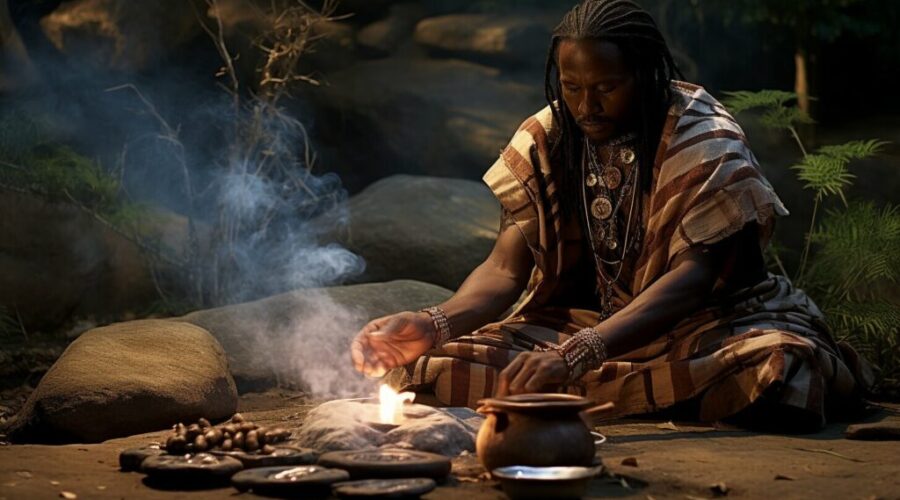
Traditional Healing Rituals You Can Only Find in Indonesia
Indonesia, an archipelago comprising over 17,000 islands, is not only known for its breathtaking landscapes and vibrant cultures but also for its rich tapestry of traditional healing rituals. These practices are steeped in centuries of history, interwoven with indigenous beliefs, spiritual philosophies, and the natural world. This article delves into several unique healing rituals that one can only find in Indonesia, illustrating the profound connections between tradition, health, and spirituality.
1. Jamu: The Herbal Elixir of Lifelong Wellness
Jamu is a traditional Indonesian herbal medicine that boasts a plethora of recipes and applications aimed at maintaining health and treating ailments. Originating from Java, this ancient practice incorporates a wide array of natural ingredients, including turmeric, ginger, lemongrass, and galangal. The preparation of Jamu often involves blending these ingredients into a potent drink or paste.
The ritual of consuming Jamu happens daily for many Indonesians, serving not merely as a form of treatment but as a cultural tradition passed down through generations. It encompasses various forms, such as “Jamu Kunyit Asam,” a turmeric and tamarind drink revered for its detoxifying properties, and “Jamu Sereh,” a lemongrass infusion known for its calming effects. This ritual is frequently accompanied by prayer or meditation, further enhancing its healing properties.
2. Cupping Therapy: Ventosa and Its Therapeutic Benefits
Cupping therapy, or “Ventosa,” is a prominent traditional healing method practiced across Indonesia, particularly among the communities in Bali and Java. This ritual involves placing cups on the skin to create suction, which purportedly enhances blood flow, alleviates pain, and expels toxins. Historically used by local healers, this therapy is also employed by athletes, providing recovery and rejuvenation.
The procedure is usually preceded by a consultation with a healer, who assesses the individual’s physical condition through pulse reading and observation. Each session culminates in a holistic approach, often blending elements of meditation and deep breathing exercises to complement the physical treatment with mental and spiritual healing.
3. Balinese Healing Rituals: Beyond the Physical
Balinese healing involves a multifaceted approach, encompassing body, mind, and spirit. Traditional healers, known as “Balian,” are revered figures in their communities, employing an array of techniques including herbal remedies, energy healing, and spiritual cleansing. One notable ritual is the “Melukat,” a purifying ceremony performed by the Balian to cleanse the individual of negative energies and restore harmony.
During the Melukat ceremony, practitioners often use holy water, flowers, and offerings to invoke divine blessings. This ritual emphasizes the importance of spiritual well-being alongside physical health, and typically takes place at sacred water sites such as temples or rivers. The healing journey through Balinese rituals is as much about emotional release and spiritual connection as it is about physical healing.
4. The Role of Gongs and Music in Healing
In some regions of Indonesia, particularly in rural areas, traditional music and sound therapy play a pivotal role in healing practices. Gamelan music, characterized by its intricate rhythms and harmonious melodies, is often employed in rituals designed to restore balance and promote emotional well-being. The vibrations produced by the gongs and other instruments are believed to resonate with the body, facilitating physical and psychological healing.
Healing ceremonies may involve a community gathering where participants engage in collective singing and drumming, reinforcing social bonds and collective energy. The integration of music into healing serves not only as a therapeutic tool but also as a medium for cultural expression and communal identity.
5. Spiritual Massage: The Art of Relational Healing
Traditional Indonesian massage, or “Pijat,” embodies more than physical manipulation of the body; it is profoundly relational, grounded in trust between the healer and the recipient. Esteemed practitioners possess the ability to intuitively sense blockages in the body’s energy pathways, using various techniques to alleviate tension and promote relaxation.
This form of bodywork often incorporates therapeutic oils and balms derived from local herbs and spices, enhancing the efficacy of the massage. A session can be supplemented with chants or prayers, elevating the experience to a spiritual realm, and nurturing not just the physical self but also the emotional and spiritual well-being of the individual.
6. Ritual Offerings and Ancestor Veneration
Integral to many healing practices in Indonesia is the concept of ancestor veneration. Ritual offerings, called “Sesajen,” are prepared to honor ancestors and deities, establishing a connection that is believed to bring blessings and healing. These offerings often consist of rice, fruits, flowers, and incense, and are placed at altars or sacred sites.
The act of offering is a deeply respectful ritual that serves to balance spiritual energies and is often performed during significant life events or seasonal transitions. This ritual highlights the profound interconnectedness between healing, ancestry, and the cultural identity of the Indonesian people.
7. Conclusion: A Journey Through Healing Traditions
Indonesia’s traditional healing rituals are a testament to the intricate relationship between culture, spirituality, and wellness. From the herbal concoctions of Jamu to the communal energy of Gamelan music, each practice carries a unique significance shaped by the inexorable flow of history and tradition. Engaging in these rituals not only offers physical healing but also fosters a deeper connection to the cultural heritage of Indonesia. As the world grows increasingly modern, the preservation of these traditional practices remains vital, offering valuable insights into holistic health and communal harmony.