
10 Best Best Time to Book a Bali Spa Retreat for Off-Season Perks Neighborhoods
Imagine stepping into a world where time slows, where the rhythmic pulse of the ocean syncs with your breath, and where every sense is gently awakened by the scent of frangipani and the touch of skilled hands. This is the promise of a Bali spa retreat—not just a getaway, but a transformation. But here’s the twist: the best time to book isn’t when the island is bathed in peak-season glamour. Instead, the off-season holds secrets that could redefine your idea of relaxation. What if the quiet months could offer you more than just empty beaches and discounted rates? What if they could gift you an experience so profound, it lingers long after you’ve returned home? Let’s uncover why the off-season might be your golden ticket to a Bali spa retreat that feels like a whispered secret between you and the universe.
The Off-Season Enigma: Why Bali’s Quiet Months Are a Hidden Gem
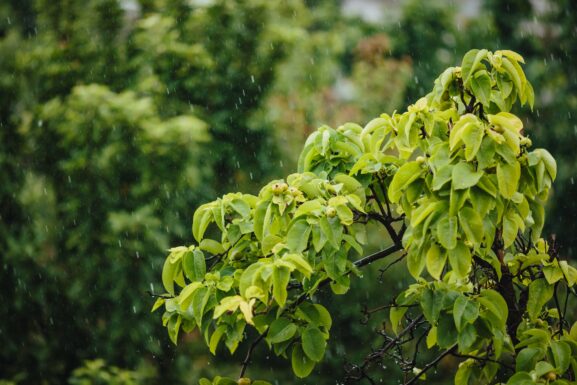
Bali’s off-season—typically spanning the monsoon months from November to March—is often dismissed as a time to avoid. The rain clouds gather, the crowds thin, and the island takes on a more introspective, almost mystical aura. But here’s the revelation: this is when Bali sheds its touristy veneer and reveals its raw, unfiltered soul. The spa retreats, tucked away in lush jungles or perched on cliffside overlooks, become sanctuaries of solitude. The absence of peak-season hustle means therapists can dedicate more time to each guest, treatments are booked with precision, and the ambiance is one of unhurried serenity. It’s not just about saving money; it’s about rediscovering the essence of wellness in a space where time feels irrelevant.
Consider the contrast: in high season, spa menus are rushed, treatments are standardized, and the experience can feel like a transaction. Off-season, however, is when Bali’s spas truly shine. Picture a traditional Balinese massage in a pavilion overlooking terraced rice fields, the only sounds the distant call of a gamelan orchestra and the patter of rain on a thatched roof. This is where magic happens—not in the crowds, but in the quiet. The off-season transforms a spa visit from a mere activity into a pilgrimage, where every moment is savored, and every sensation is amplified by the island’s natural rhythm.
The Art of Timing: When to Book for Maximum Serenity
Not all off-season months are created equal. The key lies in pinpointing the sweet spot when Bali’s weather is still kind, but the tourist tide has receded. Late January to early March is often ideal—just after the heaviest rains, when the landscape is lush and vibrant, and the humidity is bearable. This is when the island is at its most lush, the air crisp with the scent of wet earth, and the spas are operating at their most intimate capacity. Avoiding the heart of the monsoon (December and February) ensures you won’t be caught in torrential downpours, but booking in the shoulder months guarantees you’ll experience Bali in its most authentic, unspoiled state.
Timing your retreat also means aligning with Bali’s cultural cadence. The off-season coincides with several sacred Hindu ceremonies and festivals, offering a rare glimpse into the island’s spiritual heartbeat. Imagine unwinding in a spa after participating in a Melukat purification ritual, or indulging in a flower bath during Nyepi, Bali’s Day of Silence. These moments aren’t just add-ons; they’re the threads that weave your experience into something unforgettable. The off-season isn’t just a time to book a spa retreat—it’s an opportunity to immerse yourself in Bali’s living traditions, where wellness and culture intertwine seamlessly.
Unlocking Off-Season Perks: What You Won’t Find in Peak Season
The perks of booking during Bali’s off-season extend far beyond empty beaches and lower prices. For starters, spa treatments often come with exclusive upgrades—think complimentary coconut water upon arrival, extended session times, or personalized consultations with master therapists. Many retreats offer bespoke packages during this period, tailoring your experience to your body’s needs, whether that’s a deep-tissue reset or a lymphatic drainage session to combat the effects of travel fatigue.
Then there’s the matter of exclusivity. Off-season retreats often have fewer guests, meaning you might have an entire infinity pool to yourself or a private cabana overlooking the ocean. Some luxury spas even open their doors to a select few during these months, offering access to facilities that are otherwise reserved for high-paying guests. Picture sipping a turmeric-ginger elixir in a secluded garden pavilion, the only soul in sight the gardener tending to frangipani blossoms. This is the kind of privacy that money can’t always buy in peak season—it’s a gift reserved for those who dare to visit when others stay away.
And let’s not forget the food. Off-season is when Bali’s culinary scene shines brightest. Spas often collaborate with local chefs to create seasonal, farm-to-table menus that complement your treatments. Imagine a post-massage feast of jackfruit curry, fresh coconut rice, and young coconut sorbet, all sourced from the retreat’s own organic gardens. The flavors are more vibrant, the portions more generous, and the experience more intimate—because the kitchen staff isn’t stretched thin by a line of hungry tourists.
The Psychological Shift: How Off-Season Retreats Rewire Your Mindset
A spa retreat isn’t just about physical relaxation; it’s a reset for the mind. The off-season amplifies this effect by removing the distractions of peak tourism. Without the pressure to “see it all” or the noise of crowded streets, your focus narrows to what truly matters: your well-being. The slower pace of Bali during these months encourages a meditative state, where every treatment becomes a meditation, every meal a mindful ritual. This is where the real transformation happens—not in the number of spa sessions booked, but in the space created for introspection.
Consider the concept of “slow travel.” In peak season, Bali can feel like a conveyor belt of experiences—rushed, superficial, and ultimately unsatisfying. Off-season, however, invites you to linger. You might wake up to a sunrise yoga session on a deserted beach, followed by a traditional Balinese scrub and wrap, all before breakfast. The lack of crowds means you’re not fighting for a spot on the mat or rushing to secure a treatment time. Instead, you’re free to explore at your own pace, to let the island’s energy guide you rather than dictate your itinerary. This is the antithesis of the modern hustle—a chance to reclaim your time, your attention, and your peace of mind.
The psychological benefits extend beyond the retreat itself. Returning home after an off-season spa experience often feels like emerging from a cocoon. The contrast between the quiet of Bali and the chaos of daily life becomes a powerful reminder of what’s truly important. You might find yourself approaching work with renewed clarity, savoring meals with deeper gratitude, or simply enjoying the silence in a way you hadn’t before. The off-season retreat doesn’t just recharge your batteries—it rewires your perspective, leaving you with a sense of calm that lingers long after you’ve left the island.
Practical Wisdom: Navigating Off-Season Spa Retreats Like a Pro
Of course, booking a spa retreat during Bali’s off-season requires a bit of strategy. First, research is key. Not all retreats operate at full capacity during these months, so choose one with a proven track record of maintaining high standards even in the low season. Look for reviews that mention personalized service, as this is where off-season retreats often excel. Next, be flexible with your dates. Weather patterns can shift, and a last-minute change might mean the difference between a drizzle and a downpour. Keep an eye on the lunar calendar, too—Bali’s sacred days often bring a unique energy to spa experiences, whether through special ceremonies or heightened spiritual awareness.
Packing smart is another essential. While the weather is generally mild, the humidity can be deceptive, so opt for breathable, lightweight fabrics. A sarong or light cover-up is a must for temple visits, and a reusable water bottle will keep you hydrated during excursions. Don’t forget to pack a journal—off-season retreats are the perfect time to reflect, set intentions, or simply jot down the sensory details that make the experience so vivid. And if you’re planning to explore beyond the spa, consider hiring a local guide who can navigate the quieter corners of the island, from hidden waterfalls to secret beachside warungs.
Finally, embrace the unexpected. Off-season retreats are where spontaneity thrives. Maybe you’ll stumble upon a traditional dance performance in a village square, or a local healer will offer a spontaneous energy-balancing session. These are the moments that turn a good retreat into a great one. The off-season isn’t about sticking to a rigid itinerary; it’s about surrendering to the flow of the island and letting its magic unfold naturally.
The Grand Finale: Why Off-Season Bali Is Your Ultimate Wellness Escape
There’s a reason why seasoned travelers and wellness seekers alike whisper about Bali’s off-season. It’s not just about avoiding crowds or snagging a deal—it’s about discovering a side of the island that most never see. A side where spas become sanctuaries, treatments become rituals, and every moment is an opportunity to reconnect with yourself. The off-season doesn’t just offer a retreat; it offers a revelation. It’s a chance to step away from the noise of the world and step into a space where time slows, senses awaken, and the soul is nourished.
So, if you’ve been waiting for the perfect moment to book that Bali spa retreat, consider this your sign. The off-season isn’t a compromise—it’s a masterclass in intentional living. It’s where the island’s true magic lies, waiting for those willing to look beyond the brochures and the hype. Book your retreat now, and let Bali’s quiet months gift you an experience that will change the way you see wellness forever. After all, the best journeys aren’t just about the destination; they’re about the transformation that happens along the way.