
10 Best Breathwork Tables: The Treatment Where Massage Meets Conscious Respiration Neighborhoods
Imagine lying on a table, not just any table, but one that cradles your body in a state of suspended animation—where the weight of the world melts away, and the only thing that exists is the rhythm of your breath. This is the realm of breathwork tables, a fusion of somatic therapy and conscious respiration that promises to unlock dimensions of your psyche you never knew existed. It’s not just a massage. It’s not just a breathing exercise. It’s a metamorphosis, a slow unraveling of the mind’s labyrinthine corridors, guided by the very air that sustains you.
The Alchemy of Stillness: Where Massage Meets the Breath
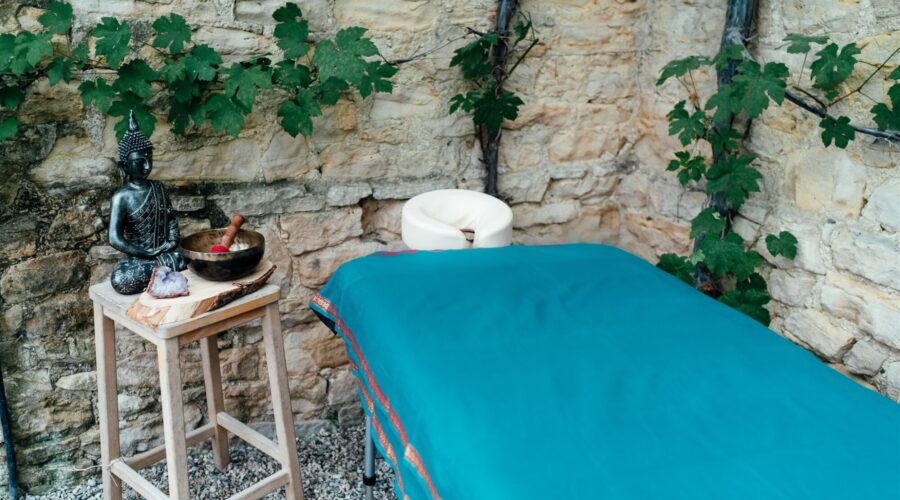
At first glance, a breathwork table resembles a massage table—elevated, cushioned, designed to cradle the human form. But here, the similarity ends. This is not a place for passive relaxation. This is a crucible where tension is not just kneaded away; it is transmuted into something else entirely. The table itself is a tool, often angled or contoured to optimize the flow of energy, to encourage the spine’s natural curvature, and to invite the diaphragm into a state of effortless expansion.
When you lie on a breathwork table, you are not merely receiving touch. You are entering a dialogue with your own physiology. The therapist’s hands may press gently into your shoulders, your hips, your feet, but the true work happens in the silence between breaths. The table becomes a vessel, and your breath, the current that carries you deeper into the undercurrents of your being. It’s a paradox: stillness that births movement, pressure that births release.
The Breath as the Architect of Perception
Conscious respiration is the architect of this experience. Unlike the shallow, habitual breaths that govern most of our waking lives, breathwork on a table demands depth, intention, and surrender. The table’s design often facilitates this by encouraging a posture that opens the chest, elongates the spine, and allows the breath to cascade through the body like a slow-motion waterfall.
But why a table? Why not a chair, a mat, or even standing? The table is a threshold. It is the place where the body is both supported and exposed, where the illusion of control dissolves, and the raw, unfiltered experience of being alive takes center stage. On a breathwork table, you are neither standing nor seated—you are suspended, a state that mirrors the liminal spaces of deep meditation, dreams, and even near-death experiences.

The Uncanny Synergy: Touch and Respiration in Concert
The magic of the breathwork table lies in the synergy between touch and breath. The therapist’s hands are not just instruments of pressure; they are conductors of energy, tuning into the body’s subtle vibrations. When paired with conscious respiration, this touch becomes a catalyst. A gentle press on the diaphragm might coax a deeper inhale. A light stroke along the spine could synchronize with the rhythm of the breath, creating a feedback loop of relaxation and awareness.
This is not passive therapy. It is an active collaboration between giver and receiver, where the breath becomes the medium through which the body’s stories are told. Old injuries, suppressed emotions, and even cellular memories may surface—not as pain, but as sensations that dissolve with each exhale. The table is the stage, the breath is the script, and the therapist is the silent partner in this unfolding drama.
The Neurological Rewrite: How Breathwork Reshapes the Brain
Science is beginning to catch up with what practitioners have known for centuries: breathwork is a neurological reset. When you lie on a breathwork table, the combination of deep, rhythmic breathing and somatic touch triggers a cascade of neurochemical reactions. The vagus nerve, that wandering giant of the parasympathetic system, is stimulated, slowing the heart rate and inducing a state of profound calm. Simultaneously, the release of endorphins and serotonin creates a euphoric clarity, as if the fog of daily life has been lifted.
But the real transformation happens in the brain’s default mode network—the area responsible for self-referential thoughts, the chatter of the ego, the stories we tell ourselves about who we are. Breathwork on a table disrupts this network. The deep, intentional breathing forces the mind into the present, while the tactile feedback from the table grounds it in the body. The result? A temporary dissolution of the self, a glimpse into the vast, uncharted territories of consciousness.
The Shadow and the Light: What Surfaces in the Stillness
This is where the promise of the breathwork table becomes both thrilling and daunting. In the quietude, in the absence of distraction, the mind often dredges up what it has buried. A memory from childhood. A fear of abandonment. The weight of a decision unmade. On a breathwork table, these shadows are not avoided—they are met. The breath becomes the anchor, the table the safe harbor, and the therapist the steady hand guiding you through the storm.
It’s not uncommon to experience catharsis—tears, laughter, or even a primal scream—as the body releases what the mind has suppressed. But this is not suffering. It is alchemy. The pain is not discarded; it is transmuted into wisdom. The breathwork table is a crucible where the base metal of unresolved emotion becomes the gold of insight.

The Aftermath: Carrying the Table’s Gift Beyond the Session
The true test of a breathwork table experience is not what happens during the session, but what lingers afterward. The body remembers. The breath remembers. The nervous system, now recalibrated, carries the imprint of the work done on the table into the world beyond. Days, even weeks later, you might find yourself breathing more deeply without thinking. Your posture improves. Your reactions to stress soften. The table’s gift is not just a fleeting moment of peace—it is a new way of being.
But be warned: this is not a one-time fix. The breathwork table is a mirror. It reflects where you are, but it does not change you permanently. To sustain the shift, the work must continue—through daily breathwork, mindfulness, or even returning to the table for deeper exploration. The table is not a destination. It is a compass, pointing you toward the uncharted territories of your own consciousness.
The Invitation: Dare to Lie Down and Breathe
So, who is this for? The skeptic might scoff, the busy executive might dismiss it as frivolous, the chronic worrier might fear the deluge of emotions it could unleash. But the truth is, the breathwork table is for anyone willing to lie down and surrender to the process. It is for the seeker who craves depth. For the overthinker who longs for stillness. For the wounded soul who needs a safe space to unravel.
It is an invitation to step off the hamster wheel of productivity and into the quiet revolution of the breath. To trade the noise of the external world for the symphony of the internal. To discover that the most profound healing does not come from outside, but from within—guided by the simple, ancient act of breathing.
The table awaits. Will you lie down?