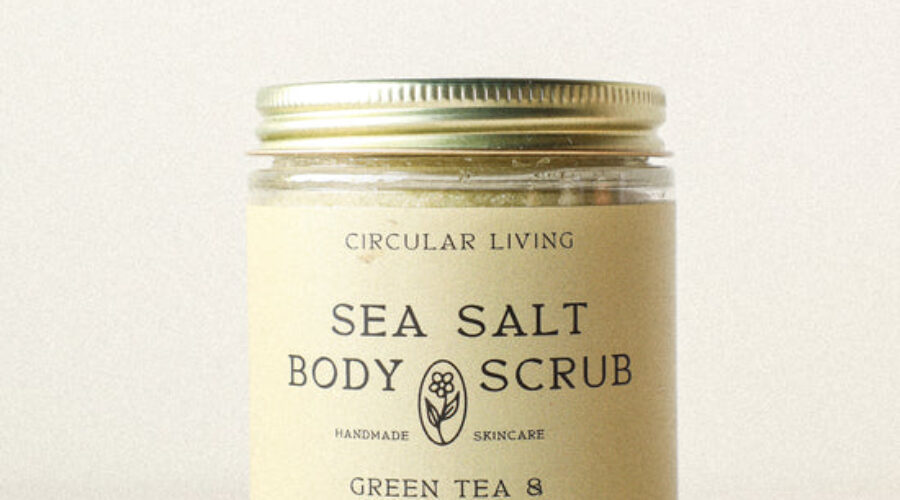
10 Best Combine Mineral Soaks with Body Scrubs: The Ultimate Skin Renewal Neighborhoods
What if you could unlock a ritual that not only purifies your skin but also rejuvenates your senses, leaving you feeling as if you’ve stepped out of a timeless spa? Imagine a self-care routine where the grit of a body scrub meets the serene embrace of mineral soaks, creating a symphony of exfoliation and nourishment. This isn’t just about skincare—it’s about crafting an experience that transforms your skin from dull to luminous, from tired to radiant. But how do you blend these two powerhouse treatments without overdoing it? Let’s dive into the art of combining mineral soaks with body scrubs for the ultimate skin renewal.
The Alchemy of Exfoliation and Immersion: Why This Duo Works
Skin renewal isn’t just about slathering on creams or splashing water on your face. It’s a deliberate dance between two potent rituals: exfoliation and immersion. Body scrubs, with their granular textures and invigorating scents, act as the first act—sweeping away dead skin cells, unclogging pores, and prepping the canvas for deeper nourishment. Mineral soaks, on the other hand, are the encore, infusing the skin with a cocktail of trace elements like magnesium, calcium, and potassium that soothe, hydrate, and repair. Together, they form a dynamic duo that accelerates cell turnover, enhances circulation, and leaves your skin plump and glowing. But the magic lies in the timing. Exfoliate too aggressively, and you risk micro-tears; soak too long, and you might strip your skin of its natural oils. Balance, as always, is key.
Preparing Your Skin: The Ritual of Pre-Soak Priming
Before you even think about reaching for that scrub, your skin needs to be in the right state to receive its benefits. A lukewarm shower or a quick rinse can help open your pores, making them more receptive to the scrub’s abrasive touch. Think of it as warming up before a workout—your skin, like your muscles, performs better when it’s primed. Avoid hot water, though; it can dehydrate and leave your skin vulnerable. Instead, opt for a gentle, hydrating cleanser to remove surface impurities without stripping away essential moisture. Pat your skin dry—don’t rub—leaving it slightly damp to enhance the scrub’s efficacy. This step isn’t just about cleanliness; it’s about setting the stage for a transformation.
Choosing the Right Scrub: Texture, Ingredients, and Skin Type
The world of body scrubs is vast, from sugar and salt scrubs to enzyme-based exfoliants. But not all scrubs are created equal, and neither are all skins. For sensitive skin, a fine-grained scrub with oatmeal or jojoba beads offers a gentle yet effective polish. Oily or acne-prone skin might benefit from a salicylic acid-infused scrub, which dives deep to dissolve sebum and unclog pores. Dry skin craves scrubs enriched with shea butter or coconut oil, which buff away flakes while replenishing lipids. And for those with normal skin? A balanced scrub with sea salt and almond oil can provide the perfect middle ground. The key is to match the scrub’s intensity to your skin’s needs—like pairing a bold red wine with a rich cheese, the harmony is in the contrast.
The Art of Scrub Application: Technique Over Force
Now comes the moment of truth: applying the scrub. The temptation to scrub in frantic circles is real, but resist it. Instead, use gentle, circular motions with just enough pressure to lift away dead skin. Focus on areas prone to roughness—elbows, knees, and feet—but don’t neglect the rest of your body. Let the scrub’s ingredients do the work; your role is to guide, not to aggressively scrub away at your skin. Think of it as a massage rather than a battle. Rinse thoroughly, ensuring no gritty remnants linger, which could lead to irritation during your mineral soak. This step isn’t just about cleanliness; it’s about respecting your skin’s integrity.
Transitioning to the Soak: Timing and Temperature
Here’s where the real magic happens. After rinsing off the scrub, your skin is primed to absorb the mineral-rich soak. But timing is everything. If you soak immediately after scrubbing, you risk diluting the scrub’s effects and overwhelming your skin with moisture. Instead, wait 10-15 minutes to let your pores settle. The ideal soak temperature hovers between warm and tepid—hot enough to relax your muscles but cool enough to prevent excessive dilation of blood vessels. Add your mineral soak (whether it’s Epsom salt, Dead Sea salt, or a blend of botanicals) to the water, and let the minerals begin their work. The warmth will help them penetrate deeper, while the buoyancy of the water eases tension from head to toe.
The Soak Experience: Sensory and Therapeutic Benefits
A mineral soak isn’t just a bath—it’s a sensory journey. The scent of lavender or eucalyptus can calm the mind, while the minerals work silently beneath the surface. Magnesium, for instance, is a natural muscle relaxant, easing aches and cramps, while sulfur can help with skin conditions like psoriasis. The heat of the water dilates blood vessels, boosting circulation and flushing out toxins, while the minerals replenish what your skin lost during the scrub. This is where the true renewal begins: your skin drinks in the hydration, your muscles unwind, and your stress melts away. It’s a full-body reset, a moment of stillness in a world that never stops.
Post-Soak Care: Locking in the Benefits
The mistake many make is stepping out of the soak and immediately reaching for a towel. Instead, let your skin air-dry for a minute or two to allow the minerals to fully absorb. Then, pat yourself dry—don’t rub—and apply a lightweight, fast-absorbing moisturizer. Look for ingredients like hyaluronic acid or ceramides, which seal in hydration without clogging pores. If you’re feeling indulgent, a body oil with rosehip or marula can add an extra layer of nourishment. This step is crucial; without it, all the benefits of your scrub and soak could evaporate like mist in the morning sun. Think of it as the final brushstroke on a masterpiece—essential for completion.
Frequency and Caution: Avoiding the Overindulgence Trap
Even the most luxurious rituals can become counterproductive if overdone. Exfoliating too frequently (more than twice a week) can compromise your skin barrier, leading to redness, sensitivity, or even breakouts. Similarly, soaking for too long (over 20 minutes) can strip your skin of natural oils, leaving it parched and irritated. Listen to your skin’s cues. If it feels tight or reactive after a session, scale back. And always patch-test new scrubs or soaks to ensure they don’t trigger an adverse reaction. Your skin is your body’s largest organ—treat it with the same care you’d give to a prized possession.
The Psychological Boost: Why This Routine Feels Like a Reset
Beyond the physical benefits, there’s an undeniable psychological lift to this ritual. The act of scrubbing away the old, soaking in the minerals, and emerging renewed is a metaphor for life itself. It’s a reminder that renewal isn’t just possible—it’s inevitable, if you’re willing to put in the work. The ritual becomes a form of self-respect, a boundary between the chaos of the outside world and the sanctuary of your own body. In a culture that glorifies constant productivity, this pause—this deliberate act of care—is revolutionary. It’s not just skincare; it’s soul care.
Final Thoughts: Crafting Your Personal Renewal Ritual
Combining mineral soaks with body scrubs isn’t just a trend; it’s a timeless practice that honors the body’s innate ability to heal and renew. Whether you’re a skincare novice or a seasoned enthusiast, this duo offers a simple yet profound way to invest in yourself. Start with small steps: choose a scrub that suits your skin, time your soak to perfection, and always end with hydration. Over time, you’ll find that this ritual does more than just improve your skin—it transforms how you feel about yourself. So go ahead. Light a candle, fill the tub, and let the minerals and scrubs work their magic. Your skin—and your soul—will thank you.