10 Best Desert Wellness: Top Luxury Resort Spas in Nevada and Utah Neighborhoods
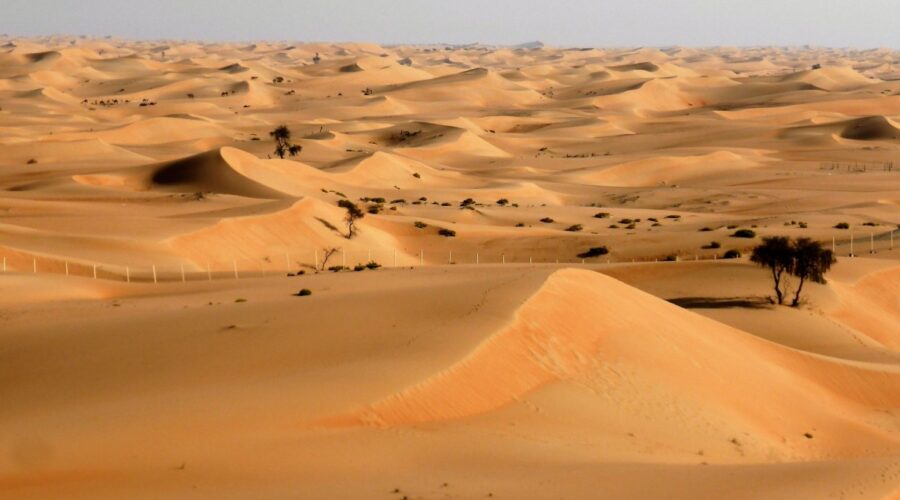
The desert is not a place of absence—it is a realm of paradox. Where the eye expects barrenness, it finds abundance. Where silence reigns, it whispers ancient secrets. This duality has long captivated the human spirit, drawing us not just to traverse its vast expanses, but to immerse ourselves in its stillness. Nowhere is this paradox more exquisitely honored than in the luxury resort spas of Nevada and Utah, where the arid landscape becomes a sacred backdrop for transformation. These sanctuaries do not merely pamper; they reawaken. They do not distract; they reconnect. In a world that demands constant motion, these desert retreats offer something radical: permission to slow down, to feel, to heal—amidst the quiet grandeur of sand and stone.
The Allure of the Arid: Why the Desert Beckons the Soul
There is a quiet tyranny in modern life—endless notifications, flickering screens, the relentless hum of productivity. The desert, by contrast, speaks in whispers. Its vastness induces a meditative stillness, a cognitive reset that urban environments cannot replicate. Neuroscience confirms what desert dwellers have known for millennia: the brain, starved of sensory overload, begins to recalibrate in open spaces. The lack of visual clutter reduces decision fatigue. The dry air soothes inflamed sinuses and quiets the nervous system. Even the scent of creosote and sagebrush carries biochemical signals that lower cortisol levels. The desert doesn’t just calm—it recalibrates.
But the fascination runs deeper than biology. The desert is a mirror. It reflects what we fear most: emptiness, silence, the unknown. And yet, in that emptiness, we find possibility. The same landscapes that appear lifeless teem with resilience—cacti storing water for years, lizards thriving in 120-degree heat, wildflowers erupting after a single rain. This paradox—of apparent desolation yielding profound vitality—mirrors the human journey. We, too, are vessels of hidden strength, capable of blooming in adversity. Luxury desert spas in Nevada and Utah understand this alchemy. They do not impose wellness; they evoke it, by aligning human need with the timeless rhythm of the land.
Red Rock Serenity: The Oasis of Red Rock Casino Resort & Spa, Las Vegas, Nevada
Nestled at the edge of the Mojave Desert, just minutes from the neon pulse of the Strip, the Red Rock Casino Resort & Spa offers a sanctuary of contrasts. Here, the rugged red sandstone cliffs of Red Rock Canyon frame infinity-edge pools, while inside, marble floors gleam under soft, ambient lighting. The spa’s signature treatment, the “Desert Mirage Ritual,” begins with a thermal wrap infused with prickly pear extract—rich in antioxidants and omega fatty acids—to detoxify and nourish parched skin. Guests are then guided into a sound-dampened meditation chamber, where the scent of juniper and mesquite oil is diffused while a live didgeridoo player channels the desert’s primal frequencies.
The hydrotherapy circuit is a masterclass in thermal contrast therapy. Alternating between heated loungers overlooking the canyon and cold plunge pools lined with river stones, the treatment stimulates circulation and releases endorphins. Evening yoga sessions are held on a private terrace, where the sun dips below the mountains, casting the valley in molten gold. It’s not wellness as escape—it’s wellness as dialogue with the land. The spa’s philosophy is clear: luxury is not in the absence of discomfort, but in the presence of intentionality. Here, every touch, every temperature shift, every aromatic breath is a conversation with the desert’s ancient wisdom.
Zenith of Zen: Solitude at The Phoenician, Scottsdale (Gateway to Utah’s Red Rock Country)
Though technically in Arizona, The Phoenician serves as a gateway to the red rock wonders of southern Utah, making it an essential stop for desert wellness pilgrims. Its Canyon Ranch SpaClub is a temple of holistic rejuvenation, where the spa’s “Earth to Skin” philosophy infuses every ritual. The signature treatment begins with a volcanic stone massage—stones heated to precisely 130°F, placed along the spine to align chakras and release deep tension. The therapist uses a proprietary blend of desert botanicals: agave nectar for hydration, yucca root for elasticity, and creosote extract for cellular repair.
The spa’s hydrotherapy garden is a labyrinth of thermal experiences—steam caves, ice fountains, mineral soaks—each designed to mimic the natural cycles of the desert: heat by day, cool by night. Guests emerge into a private meditation garden, where a labyrinth of smooth river stones invites mindful walking. The spa’s culinary program is equally transformative: cold-pressed juices made from desert-grown prickly pear and mesquite flour pancakes served with agave syrup. It’s not just food—it’s fuel for the soul. The Phoenician understands that true luxury is not in excess, but in essence. Here, less is not deprivation—it’s clarity.

Salt of the Earth: Miraval Utah at Red Mountain, Ivins
Perched on the edge of Red Mountain, Miraval Utah is not a spa—it’s a philosophy. This all-inclusive wellness retreat treats the entire property as a healing vessel, from the saltwater pools infused with Himalayan pink salt to the silent meditation trails winding through juniper forests. The spa’s “Desert Bloom” facial uses a mask of crushed desert rose petals and volcanic ash to draw out impurities while stimulating collagen. But the true magic lies in the “Mindful Movement” sessions—yoga on a cliffside platform, tai chi in the early dawn light, or guided breathwork in a geodesic dome overlooking the valley.
What sets Miraval apart is its commitment to “disconnection as connection.” Guests surrender their devices at check-in. Rooms are devoid of clocks. The dining room serves plant-based cuisine designed to reduce inflammation—think turmeric-ginger elixirs, chia pudding with local honey, and grilled cactus paddles. Even the furniture is ergonomic, crafted from reclaimed mesquite and recycled steel. The spa’s hydrotherapy circuit includes a float tank filled with Epsom salt and magnesium-rich water, designed to mimic the buoyancy of the Dead Sea. Here, wellness is not a service—it’s a way of being. And the desert, with its unrelenting clarity, becomes the perfect teacher.
The Alchemy of Silence: Why These Spas Resonate in a Noisy World
We live in an age of curated chaos. Social media algorithms feed us outrage. News cycles demand our outrage. Even our leisure is fragmented—binge-watching, doomscrolling, multitasking until our brains resemble overloaded circuits. The desert spa, by contrast, offers a radical proposition: stillness as luxury. It’s not about doing more—it’s about being more. The silence of the desert is not absence; it’s presence. It’s the space between thoughts. It’s the pause before the next breath.
These spas understand that wellness is not a trend—it’s a return. A return to the body. A return to the earth. A return to the self. In Nevada and Utah, the desert is not just a setting—it’s a co-therapist. Its vastness teaches humility. Its silence teaches depth. Its resilience teaches hope. When you step into a treatment room at Red Rock, The Phoenician, or Miraval Utah, you are not just receiving a massage—you are entering a dialogue with the land. And in that dialogue, you rediscover what it means to be human: fragile, resilient, and infinitely connected.
The Final Oasis: Choosing Your Desert Sanctuary
Each of these sanctuaries offers a different flavor of desert wellness. Red Rock Casino Resort & Spa is ideal for those who want luxury with a side of adventure—close to Vegas, but worlds away. The Phoenician appeals to the seeker of holistic depth, where spa and soul merge seamlessly. Miraval Utah is for the purist, the one who wants to unplug completely and let the desert do the healing.
But no matter which you choose, the message is clear: the desert is not a place to escape from life—it’s a place to return to it. With clarity. With calm. With courage. In a world that glorifies speed, these spas remind us that true luxury is not found in the rush, but in the stillness. And in that stillness, we remember: we are not separate from the land. We are part of it. And it, in turn, is part of us.