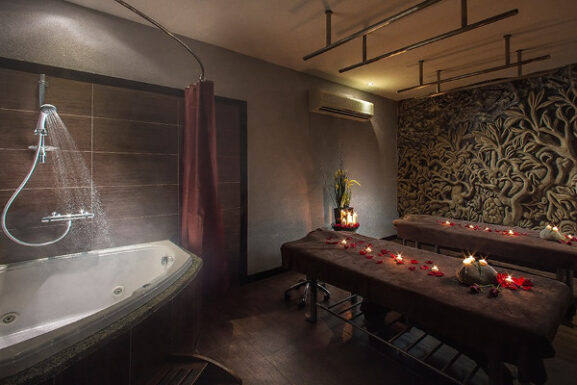

10 Best Melatonin-Enhancing Spa Treatments: Light Neighborhoods
In an age where sleeplessness and circadian disruptions are increasingly prevalent, the quest for natural solutions to enhance restorative sleep has taken center stage. Among the various approaches gaining popularity, melatonin-enhancing spa treatments using specialized light therapies have emerged as a holistic and scientifically inspired method. By leveraging the profound influence of light on the body’s internal clock, these treatments aim to optimize melatonin production, thereby promoting relaxation, improving sleep quality, and restoring overall well-being.
The Science Behind Light and Melatonin Synthesis
Melatonin, often dubbed the “sleep hormone,” is synthesized primarily in the pineal gland in response to darkness. It orchestrates the circadian rhythm, signaling the body to prepare for sleep. Exposure to certain wavelengths of light, particularly blue light during daytime, inhibits melatonin production, aligning the body’s internal functions with the external environment. Conversely, reductions in blue light exposure, especially in the evening, stimulate melatonin synthesis. Melatonin-enhancing spa treatments utilize this intricate relationship by carefully modulating light exposure, harnessing its power to recalibrate the body’s biological clock and encourage natural melatonin secretion.
Types of Light Therapy in Melatonin-Enhancing Spa Treatments
Diverse modalities of light therapy are employed in spas to enhance melatonin synthesis, each tailored for distinct physiological effects and client needs:
- Red Light Therapy: Characterized by wavelengths typically between 620-750 nanometers, red light has a gentle, soothing effect that does not disrupt melatonin production. By penetrating deeply into the skin, it stimulates cellular repair and reduces inflammation. Spa sessions featuring red light create an ambience that mimics sunset hues, subtly cueing the body towards relaxation and melatonin release.
- Amber and Orange Light Therapy: These warmer tones also favor melatonin synthesis by minimizing blue light interference. Amber light at around 590 nanometers helps maintain circadian balance and encourages a calm mental state. Spa treatment rooms utilizing these hues promote tranquility, setting the stage for improved sleep cycles post-session.
- Blue-Light Reduction Techniques: Since blue light suppresses melatonin, spas integrate technologies that filter or diminish blue wavelengths during evening treatments. Devices equipped with amber-tinted glasses or screens, or specialized lighting systems, help clients avoid melatonin disruption while still receiving therapeutic light exposure.
- Infrared Light Therapy: Although infrared light (wavelengths beyond visible red light) does not directly interact with melatonin production, its capacity to enhance circulation and relax muscles complements light therapies aimed at sleep enhancement, facilitating an overall restorative spa experience.
Innovative Spa Treatment Protocols Incorporating Light for Sleep Enhancement
Modern spas design immersive experiences that combine light therapy with complementary elements to amplify melatonin production and optimize sleep health. Some of the pioneering protocols include:
- Dusk Simulation Sessions: These sessions mimic natural sunset transitions by gradually shifting the lighting from warm amber to deep red hues over 30 to 60 minutes. This progression gently induces physiological relaxation and prepares clients’ circadian rhythm for sleep.
- Guided Meditation Under Therapeutic Lighting: Pairing mindfulness practices with calming red or amber lights enhances parasympathetic nervous system activation. The synchronized sensory input fosters deep relaxation, encouraging endogenous melatonin release.
- Evening Light Detox Treatments: Designed to mitigate the effects of daytime blue light exposure, these treatments utilize blue-light blocking filters alongside warm light therapy to reset circadian rhythms. They often involve thermal baths or body wraps under controlled lighting conditions, facilitating both physical relaxation and neurohormonal balance.
- Customized Light Chronotherapy: Some spas leverage personalized chronobiological assessments to tailor light exposure schedules aligned with an individual’s circadian preferences and lifestyle. This bespoke approach maximizes melatonin secretion and sleep quality.
The Role of Ambient and Architectural Light Design in Spa Environments
Beyond isolated therapies, the ambient light within spa spaces profoundly affects the melatonin-enhancing potential of all treatments. Environmentally attuned illumination strategies employ:
- Dimmable, Tunable LED Lighting: Enables dynamic adjustment of lighting color temperature and intensity to correspond with natural circadian cues throughout a spa visit.
- Use of Natural Elements: Strategically incorporating skylights, translucent materials, and warm-hued natural lamps creates an immersive setting that supports circadian balance and reduces artificial light pollution.
- Light Saturation Zones: Different areas within spas are designed with specific light spectra—brighter, cooler tones in active areas; warm, subdued tones in relaxation zones—guiding clients physiologically through phases of activation and rest.
Complementary Therapies Enhancing Light-Induced Melatonin Production
To augment the efficacy of light-based melatonin enhancement, spa treatments frequently include synergistic modalities such as:
- Aromatherapy: Essential oils like lavender and chamomile enhance relaxation and stress reduction, complementing the physiological effects of therapeutic lighting.
- Sound Therapy: Incorporating gentle binaural beats or nature sounds synchronizes neural rhythms with circadian phases, fostering deeper melatonin-driven sleep induction.
- Thermal Treatments: Warm baths, saunas, or hot stone massages under circadian-supportive lighting facilitate vasodilation, muscle relaxation, and optimal hormonal balance.
- Sleep Hygiene Coaching: Some spas integrate educational components guiding clients on managing light exposure outside sessions, emphasizing practices that sustain melatonin regulation.
Potential Benefits and Outcomes of Melatonin-Enhancing Light Treatments
Clients engaging with melatonin-enhancing light therapies report a spectrum of positive outcomes:
- Accelerated sleep onset and improved sleep continuity.
- Reduction in insomnia symptoms and nocturnal awakenings.
- Enhanced mood stabilization and decreased symptoms of anxiety and depression linked to circadian misalignment.
- Improved cognitive function, alertness, and daytime energy due to restorative nocturnal processes.
- Alleviation of jet lag and shift work-related circadian disruptions through recalibrated melatonin rhythms.
Considerations and Contraindications in Light-Based Melatonin Therapies
Despite their holistic appeal, melatonin-enhancing light treatments necessitate prudent application. Individuals with photosensitivity disorders, epilepsy, or certain ocular conditions may require careful evaluation prior to undergoing therapy. Additionally, synchronization with individual circadian typology is critical to avoid inadvertent disruptions. Consultation with healthcare professionals or specialists in chronobiology is advisable to tailor treatment parameters effectively. Ensuring sessions occur in alignment with natural circadian phases maximizes therapeutic benefit while minimizing risk of melatonin suppression.
Future Directions and Emerging Technologies in Melatonin-Optimizing Spa Treatments
The convergence of chronotherapy, photobiology, and spa wellness heralds innovative frontiers. Advances such as wearable circadian monitors enabling real-time light exposure calibration, interactive lighting environments responsive to biometric feedback, and integration of virtual reality with phototherapy promise personalized and adaptive treatment paradigms. Ongoing research into specific light wavelengths and pulse frequencies that optimize melatonin synthesis continues to refine clinical protocols. These evolutions foresee a future where melatonin-enhancing spa treatments seamlessly integrate with daily life rhythms, optimizing health through the primal connection between light and human biology.