10 Best Outdoor Aromatherapy Bath Setup: Backyard Soaking with Scents Neighborhoods
There’s something primal about soaking in water under the open sky—an act that marries the ancient ritual of bathing with the untamed freedom of nature. Now, imagine elevating that experience with the ethereal whispers of aromatherapy, where each breath is a journey through fragrant gardens and sun-warmed forests. An outdoor aromatherapy bath setup isn’t just a luxury; it’s a sensory rebellion against the sterile confines of indoor plumbing, a way to reclaim your senses and reconnect with the earth while cocooned in warmth. Whether you’re a minimalist seeking solace in a copper tub or a maximalist crafting a jungle oasis, the possibilities are as boundless as your imagination. Let’s dive into the art and science of creating an outdoor soaking sanctuary infused with scent, where every dip in the water is a meditation, every inhale a revelation.
The Alchemy of Scent: Choosing Your Aromatherapy Allies
Not all fragrances are created equal, and the wrong scent can turn your tranquil soak into a sensory overload. The key lies in understanding the emotional and physiological responses evoked by different aromas. Lavender, with its velvety purple blooms, is the quintessential relaxant, its linalool compounds whispering to your nervous system to unwind. Eucalyptus, sharp and invigorating, clears sinuses and sharpens focus—ideal for a morning soak that doubles as a respiratory tonic. For those who crave mystery, frankincense and myrrh, ancient resins burned in temples, infuse the air with a smoky, almost mystical aura, perfect for twilight dips. Then there’s the citrusy zing of bergamot, which dances between uplifting and grounding, depending on the moment’s needs. Consider blending oils like ylang-ylang with a drop of vanilla for a sultry, tropical escape, or pair cedarwood with rosemary for a grounding, forest-floor embrace. The trick? Start with one dominant note—let’s say sandalwood for its woody, meditative depth—and layer in complementary accents, like a whisper of jasmine to soften its edges. Remember, less is often more; a single drop of oil can perfume an entire tub.

Tubular Dreams: Selecting the Perfect Outdoor Soaking Vessel
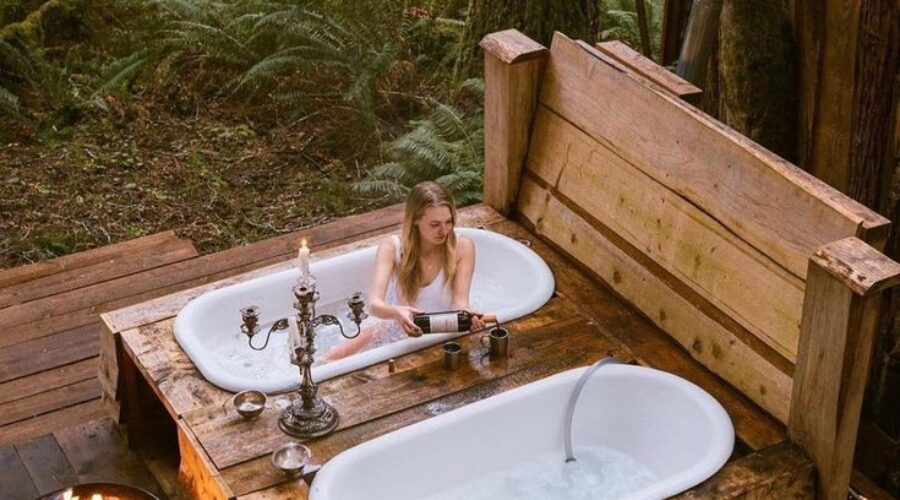
The vessel is more than a container; it’s a statement. A clawfoot tub, with its ornate legs and vintage charm, transforms your backyard into a Victorian-era spa, while a modern concrete trough offers an industrial, minimalist edge. For the adventurous, a repurposed wine barrel or a hand-carved stone basin adds rustic authenticity. Material matters, too. Copper, with its antimicrobial properties, heats up quickly and cools slowly, making it ideal for those who want to linger. Wooden tubs, like cedar or teak, exude warmth and natural resistance to rot, but require regular sealing to maintain their integrity. If you’re after portability, inflatable or foldable tubs made from durable PVC can be tucked away when not in use. Size is another consideration—do you want to stretch out like a starfish or curl up like a contented cat? A compact tub fits snugly on a balcony, while a sprawling model demands a dedicated patio space. And don’t overlook the practical: ensure your tub has a sturdy, weather-resistant drain plug and consider adding a cover to retain heat between soaks. The right tub doesn’t just hold water; it cradles your dreams.

Hydronic Harmony: Heating and Circulation for Optimal Comfort
Cold water is the enemy of relaxation, and lukewarm soaks lack the therapeutic punch of a truly heated bath. Enter hydronics—the art of controlling water temperature with precision. For a DIY approach, a portable water heater with a thermostat can be connected to your tub via a garden hose, allowing you to dial in the perfect 102°F (39°C) for muscle relief or a cooler 98°F (37°C) for a gentle wake-up call. Electric heaters are efficient but require careful placement to avoid tripping hazards. Gas heaters, while powerful, demand proper ventilation to prevent fume buildup. For the eco-conscious, solar-powered heaters harness the sun’s energy, though they’re less reliable in cloudy climates. Circulation is equally crucial; stagnant water grows tepid and uninviting. A small submersible pump, like those used in fountains, keeps the water moving, distributing heat evenly and preventing cold spots. For a touch of luxury, consider a built-in heater with a digital interface, letting you schedule pre-heats so your tub is ready the moment you are. The goal? A bath that’s neither a shock to the system nor a lukewarm disappointment, but a Goldilocks-perfect experience.
Sanctuary Siting: Where to Place Your Outdoor Aromatherapy Retreat
The location of your tub can make or break the experience. Privacy is paramount—whether you’re using a secluded corner of your yard, a screened-in porch, or a raised platform with a living wall of bamboo for seclusion. Sunlight plays a dual role: a morning soak benefits from gentle dawn rays, while an evening dip under the stars requires a spot that’s bathed in golden hour light. Wind, however, is the silent spoiler; a gusty location turns your tranquil tub into a chilly ordeal. Position your tub near a windbreak—be it a fence, a row of evergreens, or a trellis draped in ivy—to shield it from errant breezes. Proximity to water features, like a babbling fountain or a small pond, enhances the sensory experience, drowning out urban noise with natural white noise. For the ultimate indulgence, place your tub near a fire pit or an outdoor fireplace, allowing you to alternate between steamy soaks and crackling warmth. And don’t forget the practical: ensure the ground is level and stable, or invest in a sturdy base to prevent wobbling. Your tub should feel like a natural extension of the landscape, not an afterthought.

Botanical Backdrops: Crafting a Living Aromatherapy Canopy
The plants surrounding your tub aren’t just decor; they’re active participants in your sensory symphony. Choose species that thrive in your climate and complement your chosen scents. Rosemary, with its piney fragrance, thrives in pots and can be pruned into fragrant topiaries. Jasmine, a night-blooming climber, releases its intoxicating perfume after dusk, perfect for evening soaks. For a tropical vibe, plant bird of paradise or plumeria, their broad leaves and vibrant blooms adding a lush, exotic feel. Don’t overlook the power of herbs like mint or lemon balm, which release their aroma when brushed against or crushed underfoot. For a vertical element, install a trellis and train climbing plants like honeysuckle or wisteria, their blossoms perfuming the air as they cascade overhead. Consider edible plants too—lavender-infused honey or rosemary-infused olive oil can be harvested from your garden, blurring the line between spa and self-sufficiency. The key is layering: tall plants in the back, mid-height shrubs in the middle, and ground covers like thyme or chamomile at the edges. The result? A living, breathing aromatherapy garden that evolves with the seasons.
Rituals and Routines: Turning Soaks into Sacred Moments
An outdoor aromatherapy bath is more than a physical act; it’s a ritual, a pause in the relentless march of time. Begin with intention: light a candle or a bundle of palo santo to cleanse the space of negative energy. As you undress, let the cool air kiss your skin, heightening your awareness of the transition from the mundane to the extraordinary. Step into the water slowly, feeling the heat envelop you like a second skin. Use a loofah or a soft brush to exfoliate, releasing tension with each stroke. For a deeper experience, add a handful of Epsom salts or magnesium flakes to soothe muscles and soften skin. As you soak, practice deep breathing—inhale the scent of your chosen oil, hold for a count of four, exhale for six. For added luxury, sip on a cup of herbal tea, like chamomile or hibiscus, to hydrate and enhance the aromatherapy effect. End with a cool rinse or a plunge into a nearby pool or sprinkler to close your pores and invigorate your circulation. The goal isn’t just to bathe, but to transcend—to turn a simple soak into a mini-escape, a daily dose of sanity in an increasingly chaotic world.
Sustainable Splendor: Eco-Friendly Upgrades for Your Outdoor Spa
Luxury and sustainability aren’t mutually exclusive. Swap chemical-laden cleaning products for vinegar and baking soda, and opt for biodegradable soaps and shampoos to keep your tub and surrounding plants healthy. Collect rainwater in barrels to top up your tub, reducing your reliance on treated water. For heating, consider a wood-fired hot tub, which uses renewable fuel and imparts a subtle smoky aroma to the water. Solar-powered LED lights can illuminate your space without drawing from the grid, while rechargeable candles eliminate waste. Even your tub can be eco-conscious: look for models made from recycled materials or sustainably sourced wood. And don’t forget the small touches—a bamboo bath mat, organic cotton towels, or a handmade soap dish carved from reclaimed wood. The message is clear: indulgence doesn’t have to come at the planet’s expense. Instead, your outdoor aromatherapy bath can be a testament to mindful living, where every choice—from the oils you use to the plants you grow—nourishes both body and earth.