10 Best Pre and Post-Flight Compression: How Travelers Use Recovery Spas for Leg Health Neighborhoods
Have you ever landed from a long-haul flight only to find your legs feeling like overinflated balloons, your calves tighter than a drum, and your ankles swollen enough to rival a grapefruit? If so, you’re not alone. The cramped confines of airplane cabins, coupled with prolonged immobility, conspire to turn even the most seasoned traveler into a puffy, sluggish version of themselves. But what if there was a way to step off the plane feeling refreshed, as if you’d just stepped out of a spa rather than a metal tube hurtling through the sky? Enter the world of pre and post-flight compression—a traveler’s secret weapon for leg health that’s as essential as packing an extra pair of socks.
The Science Behind the Squeeze: Why Compression Works
At its core, compression therapy is a deceptively simple concept: apply gentle pressure to the legs to encourage blood flow and prevent the pooling of fluids that leads to swelling and discomfort. But how does this translate into real-world benefits for travelers? The answer lies in the intricate dance between gravity, circulation, and human physiology. When we sit for extended periods—whether in a cramped economy seat or a plush first-class throne—gravity conspires with our sedentary state to slow the return of blood to the heart. This sluggish circulation can lead to edema, or swelling, particularly in the lower extremities. Compression garments, such as flight socks or intermittent pneumatic compression (IPC) devices, counteract this by applying graduated pressure that mimics the natural action of our calf muscles, propelling blood upward and reducing the risk of deep vein thrombosis (DVT).
But compression isn’t just about preventing disaster; it’s about enhancing performance. Athletes have long sworn by compression sleeves to speed up recovery and reduce muscle soreness. Similarly, travelers can harness this technology to mitigate the fatigue that accumulates during long journeys. The key is consistency: wearing compression garments during the flight and using recovery spas afterward can transform the way your legs feel, turning a grueling ordeal into a manageable, even enjoyable, experience.
The Pre-Flight Ritual: Suiting Up for Success
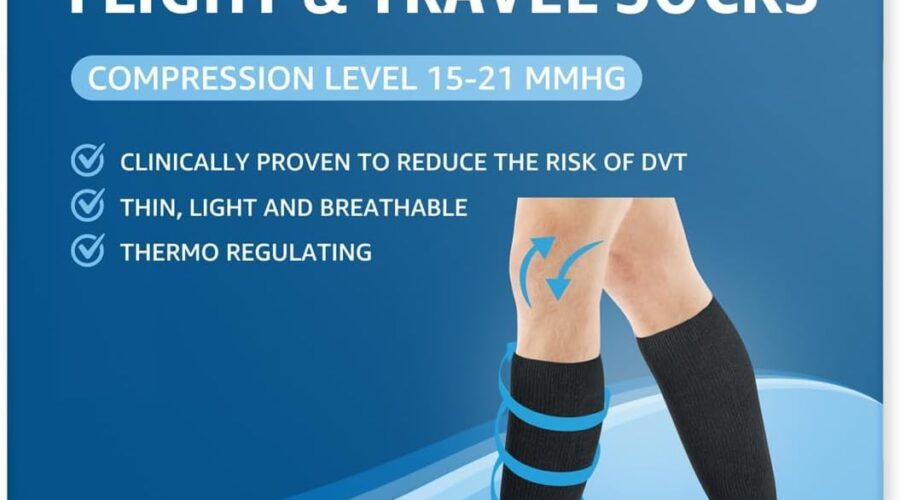
Imagine boarding a plane already equipped with a secret weapon tucked into your carry-on. That’s the power of pre-flight compression. The night before your journey, slip into a pair of medical-grade compression socks or sleeves. These aren’t your average tube socks; they’re engineered with precise levels of pressure—typically measured in millimeters of mercury (mmHg)—to provide optimal support. For most travelers, a 15-20 mmHg compression sock is sufficient, though those with specific circulatory issues may opt for higher levels under medical guidance.
But compression isn’t limited to socks. Enter the recovery spa, a portable device that inflates and deflates cuffs around your calves or legs, simulating the natural muscle contractions that promote circulation. These devices, often battery-powered and compact enough to fit in a suitcase, can be used during the flight or immediately upon landing. The beauty of pre-flight compression lies in its ability to prime your body for the journey ahead. By wearing compression garments during the flight, you’re essentially giving your legs a head start in the battle against swelling and stiffness. It’s like sending a scout ahead of the main army—preparing the terrain before the troops arrive.
Of course, no ritual is complete without a touch of self-care. Pair your compression routine with hydration and light stretching before boarding. A few minutes of calf raises or ankle circles can loosen up your muscles and prepare them for the hours of stillness ahead. Think of it as a warm-up before a marathon, except your race is a 12-hour flight to Tokyo.
The In-Flight Strategy: Staying One Step Ahead of Discomfort
Once you’re airborne, the real challenge begins: maintaining circulation in a space designed for discomfort. Cabin pressure, low humidity, and cramped seating conspire to dehydrate you and stiffen your joints. This is where your compression gear earns its keep. If you’re wearing socks, ensure they’re snug but not restrictive—think of them as a gentle hug for your legs. If you’ve brought a recovery spa, use it during the flight to stimulate circulation. Many devices come with timers, so you can set them to cycle on and off automatically, allowing you to nap or watch a movie without interruption.
But compression alone isn’t enough. Movement is your ally. Every hour or so, stand up, stretch, and walk the aisle. If you’re stuck in a window seat, perform seated exercises like ankle pumps or knee lifts to keep the blood flowing. The goal isn’t to run a marathon mid-flight but to keep your body in motion, even in small ways. Think of it as a dance between you and the constraints of the cabin—a delicate balance of stillness and motion.
And let’s not forget the power of hydration. Dehydration exacerbates swelling and fatigue, so sip water consistently throughout the flight. Avoid alcohol and caffeine, which dehydrate you further and can worsen swelling. Instead, opt for herbal teas or electrolyte-rich drinks to keep your body in peak condition. Your legs will thank you when you land.
The Post-Flight Recovery: From Puffy to Perky
Stepping off the plane should feel like a victory, not a defeat. Yet for many travelers, the real battle begins the moment they set foot on solid ground. Swollen ankles, stiff calves, and a general sense of lethargy can turn a dream vacation into a slog. This is where post-flight recovery becomes your best friend. As soon as you reach your destination, prioritize a recovery spa session. These devices, which use dynamic compression to flush out lactic acid and reduce inflammation, can work wonders in as little as 20 minutes. The rhythmic pulses mimic the natural contractions of your calf muscles, helping to restore circulation and alleviate the dreaded “airplane legs.”
If you don’t have access to a recovery spa, fear not. Simple techniques like elevating your legs above heart level, applying a cold compress, or even a gentle massage can help reduce swelling. Lie on your back and prop your legs up against a wall for 10-15 minutes, allowing gravity to do the work of draining excess fluid. Alternatively, roll a tennis ball under your feet or use a foam roller to massage your calves—this not only reduces swelling but also eases muscle tension. It’s like giving your legs a spa day, minus the cucumber water.
But recovery isn’t just about physical techniques; it’s also about mindset. After a long flight, it’s tempting to collapse onto the nearest bed or couch and binge-watch a series until your eyes glaze over. While rest is important, movement is equally crucial. Take a short walk to stretch your legs and get your blood flowing again. Even a stroll around the hotel room or a quick trip to the lobby can make a world of difference. Your body is designed to move, and denying it that basic function only prolongs the discomfort.
The Long-Term Benefits: More Than Just a Flight Fix
While compression therapy is a godsend for travelers, its benefits extend far beyond the confines of an airplane cabin. Regular use of compression garments and recovery spas can improve overall leg health, reduce the risk of varicose veins, and even enhance athletic performance. For those who spend hours sitting at a desk or standing on their feet, compression can be a game-changer. It’s like giving your legs a daily tune-up, ensuring they’re always ready for the next adventure.
Moreover, the psychological benefits of compression therapy shouldn’t be underestimated. Knowing that you’ve taken proactive steps to care for your body can reduce travel anxiety and boost your confidence. There’s something empowering about stepping off a plane feeling refreshed and ready to explore, rather than groaning under the weight of swollen limbs. It’s a small investment with a big payoff—a reminder that self-care isn’t a luxury but a necessity, especially when you’re on the move.
So the next time you’re packing for a trip, don’t just toss in a pair of socks and call it a day. Consider adding compression gear to your packing list. Whether it’s a pair of flight socks, a portable recovery spa, or a simple foam roller, these tools can transform your travel experience from a grueling ordeal to a seamless journey. After all, travel should be about discovery and adventure, not about nursing aching legs back to health. With the right preparation, you can arrive at your destination feeling like you’ve already conquered half the battle—before you’ve even unpacked your suitcase.