10 Best Watsu vs. Ai Chi: Choosing the Right Water-Based Bodywork Neighborhoods
The moment your body surrenders to the gentle undulation of warm water, time slows. The weight of gravity dissolves. Breath becomes a rhythmic tide, and the mind, usually a storm of thoughts, finds itself anchored in the present. This is the promise of water-based bodywork—a promise that both Watsu and Ai Chi deliver, though in radically different ways. One is a dance of deep release, where skilled hands guide you through stretches suspended in fluidity. The other is a meditative choreography, where movement and breath synchronize like the ebb and flow of ocean waves. But which one holds the key to your transformation? The answer lies not in choosing one over the other, but in understanding the unique alchemy each practice offers.
The Essence of Watsu: A Symphony of Stillness and Movement
Watsu—short for Water Shiatsu—is not merely a therapy; it is an immersion into the primal language of the body. Born in the 1980s from the mind of Harold Dull, who blended Zen Shiatsu with the buoyancy of warm water, Watsu is a practice where the practitioner becomes both guide and guardian of your inner landscape. The recipient floats in chest-deep water, cradled by the therapist’s hands, as gentle stretches and rhythmic compressions unlock tension stored in muscles and fascia. The warmth of the water, typically between 94°F and 98°F, dilates blood vessels, slows the nervous system, and invites the body to release what it no longer needs.
What sets Watsu apart is its paradoxical nature: it is both deeply passive and profoundly active. The recipient lies suspended, yet the body is in constant, imperceptible motion—twisted, elongated, and rocked like a leaf on a pond. The therapist’s touch is not forceful but intuitive, reading the body’s subtle cues like a musician reading sheet music. This is where the magic happens. The water’s resistance becomes a teacher, revealing imbalances in posture or movement that may have gone unnoticed on land. For those who carry the weight of chronic pain, stress, or emotional blockages, Watsu offers a rare sanctuary where the body can finally exhale.
Ai Chi: The Art of Flowing Resilience
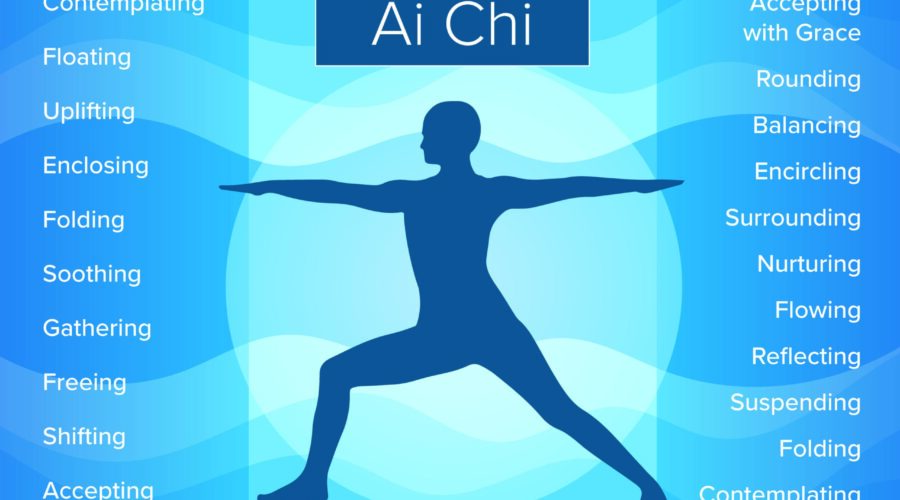
If Watsu is a lullaby for the body, Ai Chi is a morning sunrise—a practice that awakens vitality through deliberate, flowing motion. Developed by Japanese physical therapist Jun Konno in the 1990s, Ai Chi blends the principles of Tai Chi with the therapeutic properties of water. Standing in shoulder-deep water, practitioners perform a series of slow, sweeping movements synchronized with deep, diaphragmatic breathing. Each gesture—whether it’s the graceful arc of an arm or the deliberate shift of weight—is designed to improve balance, flexibility, and lung capacity while calming the mind.
The beauty of Ai Chi lies in its accessibility. Unlike Watsu, which requires a one-on-one session, Ai Chi can be practiced in groups, making it a communal experience that fosters connection. The water’s resistance transforms each movement into a gentle resistance training, strengthening muscles without the jarring impact of land-based exercise. For those recovering from injury or surgery, Ai Chi offers a bridge back to mobility, its movements as soothing as they are rehabilitative. Yet, its benefits extend beyond the physical. The meditative quality of Ai Chi—its emphasis on breath and presence—makes it a moving meditation, a way to cultivate resilience not just in the body, but in the mind.
Contrasting the Two: Which Path Calls to You?
The choice between Watsu and Ai Chi is less about which is “better” and more about what your body and spirit are yearning for. Watsu is the choice for those who seek deep, cellular release—a practice where the body is cradled, stretched, and coaxed into a state of surrender. It is ideal for individuals with chronic pain, anxiety, or those recovering from trauma, as the water’s embrace provides a sense of safety that few other therapies can match. The experience is intimate, almost sacred, as the therapist becomes a silent witness to your body’s unfolding.
Ai Chi, on the other hand, is for those who crave structure within fluidity. It is a practice that demands presence but rewards with a sense of mastery over one’s own movement. The slow, deliberate sequences build not just physical strength but also mental clarity, making it a powerful tool for stress management and rehabilitation. It is particularly suited for those who enjoy group dynamics or who find solace in the rhythm of repetition. Where Watsu feels like a guided dream, Ai Chi is a waking meditation—a way to reconnect with the body’s innate wisdom through motion.
The Science Behind the Serenity
Both Watsu and Ai Chi are grounded in science, though their mechanisms of healing differ. Watsu’s benefits are well-documented in studies focusing on pain management, particularly for conditions like fibromyalgia, arthritis, and lower back pain. The warm water’s buoyancy reduces joint stress by up to 90%, while the therapist’s manipulations improve circulation and lymphatic drainage. The parasympathetic nervous system—the body’s rest-and-digest mode—is activated, lowering cortisol levels and promoting deep relaxation. Some research even suggests that Watsu can enhance immune function by increasing white blood cell activity.
Ai Chi’s effects are equally compelling. The combination of deep breathing and water resistance has been shown to improve lung function, making it particularly beneficial for individuals with respiratory conditions like COPD or asthma. The slow, controlled movements enhance proprioception—the body’s ability to sense its position in space—leading to better balance and coordination. Studies also highlight Ai Chi’s role in reducing symptoms of depression and anxiety, likely due to its meditative qualities and the release of endorphins during movement. The practice’s emphasis on breathwork further lowers heart rate variability, a marker of cardiovascular health.
Practical Considerations: Finding Your Entry Point
Before diving into either practice, consider your current physical state and goals. Watsu requires a certain level of comfort in water, though no swimming ability is necessary. Sessions typically last 50-60 minutes and are conducted in private pools or specialized therapy tanks. The cost can be a barrier, as it is often not covered by insurance unless prescribed for medical reasons. However, many find the investment worthwhile for the profound relief it provides.
Ai Chi is more accessible. Classes are widely available at pools, rehabilitation centers, and even online platforms. The equipment needed is minimal—a swimsuit, a towel, and perhaps a pool noodle for balance assistance. Sessions can range from 30 to 60 minutes, and the practice can be adapted for all fitness levels. For those new to water-based movement, Ai Chi offers a gentle introduction, while seasoned practitioners can deepen their practice with advanced sequences.
The Ripple Effect: How These Practices Transform Beyond the Session
The true power of Watsu and Ai Chi lies in their ability to create lasting change. Watsu’s effects often linger like the afterglow of a sunset. Clients report improved sleep, reduced pain, and a newfound sense of lightness in their bodies. The practice can also serve as a catalyst for emotional release, as the body’s stored tension finds an outlet in the water’s embrace. Over time, the nervous system learns to stay in a state of calm, making it easier to navigate life’s stressors.
Ai Chi’s benefits accumulate like layers of sediment, building strength and resilience with each session. The improved posture and balance gained in the water often translate to better alignment on land, reducing the risk of injury. The meditative aspect fosters mental clarity, helping practitioners approach challenges with a centered mind. For athletes, Ai Chi can enhance performance by improving flexibility and breath control. For seniors, it offers a way to maintain mobility and independence. The practice becomes a metaphor for life itself: slow, deliberate, and full of potential.
Final Thoughts: Diving Deeper
Watsu and Ai Chi are not just therapies; they are gateways to a different way of being. One offers a cocoon of stillness where the body can unravel and heal. The other provides a path of mindful movement where strength and serenity are cultivated in equal measure. The choice between them is not about selecting the “right” one, but about listening to what your body is whispering—or perhaps, shouting—for. Perhaps you need both: the deep release of Watsu to unwind, followed by the revitalizing flow of Ai Chi to rebuild. Or maybe one practice will resonate so deeply that it becomes a lifelong companion. Either way, the water awaits—a silent, supportive force ready to carry you toward transformation.